When Landon Hartstein embarked on a journey of self-discovery he envisioned doing yoga in a hut on a beach in Panama, Om-ing, his way to a better self. Life had other plans.

All in Personal essay
When Landon Hartstein embarked on a journey of self-discovery he envisioned doing yoga in a hut on a beach in Panama, Om-ing, his way to a better self. Life had other plans.
by Jane Spencer
I have read memoirs by daughters who traveled with their mothers, and most say the same thing: "Don't do it.”
Mothers are unquestionably loved, but it seems they can be incontinent, cheap, bossy, slow movers, picky eaters, or all-of-the-above. In other words, not the best travel companions.
I am the mother in this story. In my sixties, I have some aches and pains but I am not incontinent. I am a budget-conscious, adventure traveler who has trekked in Asia, Europe and the Americas.
Trouble is, I am not a big city person.
When writer Chris Pady decides to slip away for a few hours on a friend's bicycle while vacationing with his wife and kids in Kaoshiung, Taiwan, he discovers the Ai He (Love RIiver) path. What begins as a hot and steamy fling in the form of daily cycling escapes, ends with knowing Kaoshiung a little better. And the best part: No guilt.
Mary Ann Treger is a talker. When she's not talking, she's texting or emailing or surfing social media sites. Being connected is her cocaine. Even alone at home, political pundits yak on the television in the background. So why would this motor-mouthed writer go cold turkey and sign up for a silent retreat in an isolated abbey where shutting-up is the numero uno requirement? Read on...
Looking back on his life, former Air Force pilot turned research psychologist Milton Wood shares five important lessons learned "while herding aircraft around the sky and working closely with those who do."
As an American expat teaching English in high schools and universities in the Philippines, YourLifeIsATrip.com contributor BJ Stolbov's students often ask him, “What makes Americans American?” Learn why it's a question that he finds difficult to answer as America becomes increasingly socially and politically divisive and discover how his answer is still one that unites.
During a celebratory trip to New York City, a chance encounter on a subway train provides writer Katherine Doll with a sober reminder of both the fragility and the robustness of the human heart, when she witnessed a young woman struggle with her own tragedy.
by Leslie Anne Wood
My cell phone rang on a Saturday afternoon and the news was not good. My father had collapsed at his retirement home and had been taken to the hospital.
by Dan Dworkin
To travel solo for days in a kayak is to be not on or in but of the water. It loves you, rocks you like your mother did, speaks to you with many voices, supports your meandering, bathes you, feeds you, tells you when to travel and when to stay still on the island of the moment. On every trip there is a time of storm, of being wind-bound when the judicious kayaker stays put, writes, rests, wanders, constructs stone sculptures and listens for the still, small voice.
by BJ Stolbov
Maria Natividad Pascua Olivar has died. Nanay Mary (Mother Mary), as she was known, was 76 years old. Her husband, Ruben Olivar died suddenly 36 years ago, leaving Nanay a single mother with six young children. Her eldest, Rowell, died when he was hit by a car at 6 years old. Her next eldest, Ronaldo died suddenly of a heart attack 9 months ago at the age of 50. With her four surviving children, two daughters and two sons, all now in the 40’s, around her bed, and after a long sickness, a confluence of incurable old-age illnesses, Nanay Mary breathed her last. She died peacefully.
by C.Z. Cantrell
Tides have a rhythm and so do our lives. My sea changed when I said yes to a position as a prison teacher. The tide moving out would take away my comfortable, if modest-paying work as a government analyst. The incoming tide, teaching hard-core prisoners, could flood my life with adventure and even danger.
When writer Barbara Wysocki is accidently separated from her tour group in Havana, Cuba, she's eventually reunited, but not without a few happy mishaps along the way.
by Elyn Aviva
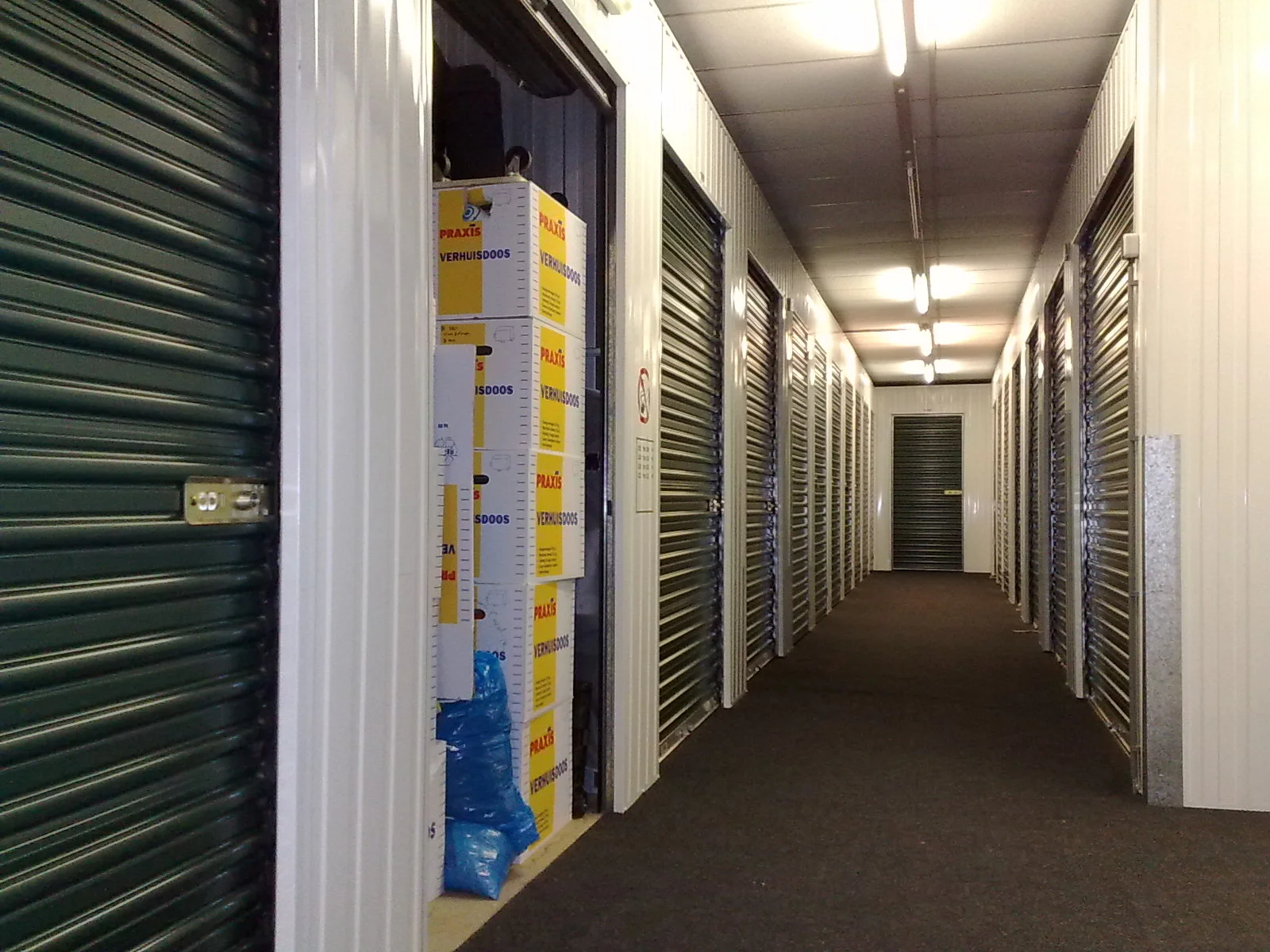
We punched in the entry code on the keypad on the side of the looming concrete storage building, opened the door, and walked down the empty, darkened corridors to our numbered unit. We unlocked the roll-up metal door and pushed it up, revealing a colorful hodgepodge of items stacked along the walls and piled on metal shelving units in the center. We were entering a mysterious domain, a mixture of refuse dump and Treasure Island.
This was the stuff we had left behind six years ago in Santa Fe, New Mexico, when my husband, Gary, and I moved to Spain. Now that were happily settled as expats in Girona, Catalonia, Spain, the time had come to clear out the storage unit. No more excuses.
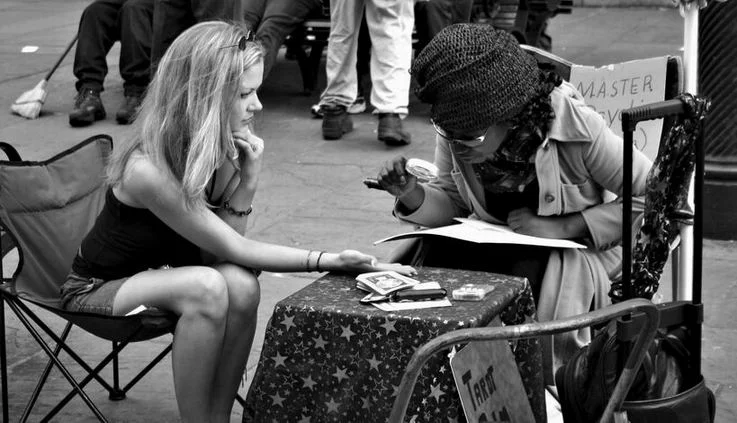
I was 22 when a friend persuaded me to see a psychic in my home town on New Zealand’s west coast. At the time I was studying science and psychology at university, so I told myself psychic predictions were fanciful. But I was curious too. Like most young women, I wanted to know when I would meet the man of my dreams.
by Dan Dworkin
What would you do if you were asked to voluntarily give up your cell phone, computer, TV, and sex for a month? When I revisited my Peace Corps assignment after forty-two years away, the people of my village in Fiji, indeed the residents of the whole province, were doing just that, in a manner of speaking. They were giving up tobacco, yaqona (kava), their ceremonial drink, and sex for a month. Why would they do such a thing?
One hundred and forty years ago, the people of a nearby village, Nabutautau, killed and ate the Methodist Reverend Thomas Baker. When I visited in July, 2011 they were conducting a ceremony of reconciliation, begging the Methodist Church to forgive them for their ancestors' actions.
by Jennifer Hobson-Hinsley
I honestly believe people are either born with a sense of direction or without one. You either drive past your own house at night, or you don’t. At birth, I was at the front of the receiving line for a sense of direction, my husband was at the back. My husband drives past our house at night, and it makes me absolutely crazy. Crazy hit a new level when we recently drove from our house in Santa Fe to Telluride, about six hours away.
by Harriet Mills
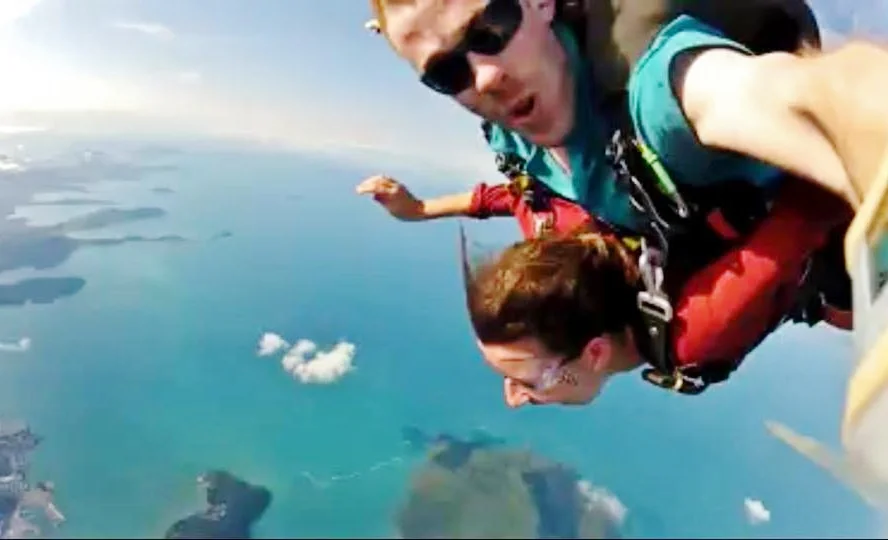
I had been in Australia for just over two weeks so I was firmly in the relaxed, travel state of mind when my Dad asked me if I wanted to do a skydive over Airlie Beach, the Whitsunday's, and the Great Barrier Reef. It sounded enticing so my straight answer was a prompt yes. This occurred on our first day of five in Airlie Beach and as time progressed my nerves began to rattle me. My sister had always been the daring one, but now I had placed myself in the position where I had to befriend my adventurous side.
Just below the brickwork of the fence line on one of the busiest streets in this enormous city, a fully-grown woman was squatting over the autumn leaves next to a tree that had no hope in hell of disguising her need to go. This was a manoeuvre I had performed myself many times, under the cover of the Australian bush. Never once did I consider I would see it here in the epicenter of Paris.
by Renee King
The chatter of tourists surrounded me and invaded my ears. I tried to block it out, but, truth be told, even my own travel companions were taking up space in my head. I closed my eyes, took slow deliberate breaths, and cleared my mind. When I opened my eyes, a vast white valley spread itself out before me – inviting me to take in its pristine beauty. Towering majestic mountains on either side bookended the sea of ice before me. Awestruck and breathless, I tried to comprehend that I was seeing was nature – raw, unforgiving, awesome for all my senses. As I heard questions from either side of me, I was able to deflect that unwanted noise. I breathed deeply and found something just for me on the Mer de Glace in Chamonix, France.