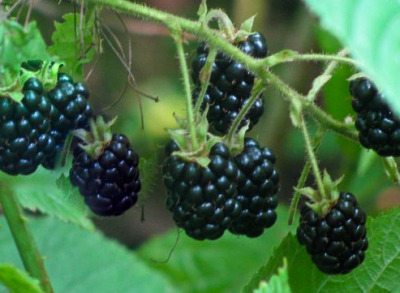
History repeated itself today. Two sisters came to pick blackberries on the farm. They told stories of picking as little girls and headed to the patches, basket in hand, containers at the ready, arms and legs bare. “Thorns are gonna eat’em alive,” I thought.
As stories go, berries have been picked on this farm since the 20’s. My grandfather bought this acreage just after the war and even though at that time it was a cow farm, and there was no undergrowth in the fields, there must have been berries in the hedgerows. Now that the fields have islands of undergrowth which surround mature trees, (looks like a park now,) the berries are everywhere. Out the back door, off the back porch and within 100 feet I am having breakfast any time of the day-by the handful. This lasts through August and into September. We eat all we can, and put quart bags full in the big freezer. In January, pulling them out is a delightful treat, especially on vanilla ice cream with hot fudge.
words + photos by Don Mankin
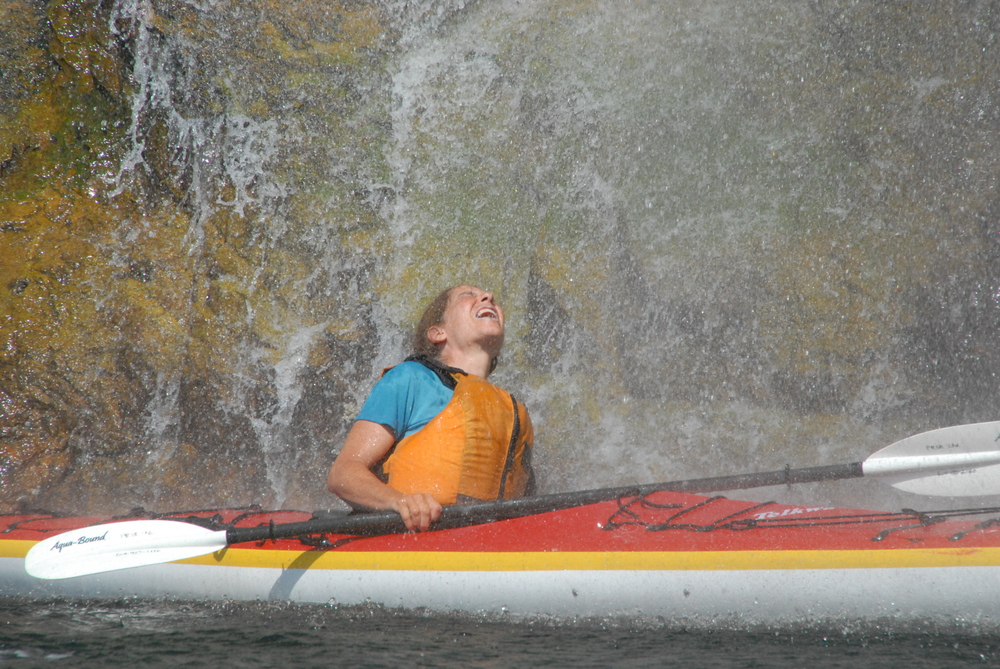
My two Teva-clad feet poked above the water, framing the view of the mouth of the cove spilling into the broad channel before us. The silhouettes of several tree-covered islands and mountains overlapped in different shades of pastel and receded in the distance. I was floating on my back in the waters of coastal British Columbia. Not exactly the Caribbean – no palm trees, no rum drinks with paper umbrellas, and the water temperature was more than a tad or two colder. But the water was warm enough for a late afternoon swim, the scenery was more dramatic, and there was no one else to be seen other than my four sea kayaking companions relaxing after a long day of paddling in the warm bright sunshine of the aptly named Sunshine Coast.
photo by Tracy Mallory
The Sunshine Coast is just a relatively short drive and an even shorter flight northwest of Vancouver. It’s easily accessible but still feels somewhat remote -- most of the coast above Powell River, the “urban” center of the region, can only be reached by boat or float plane. Like almost all of the BC coast, it is strikingly beautiful -- islands of all sizes covered in Douglas fir, hemlock, and cedar; narrow inlets and fjords indenting the rugged coastline; and jagged snow capped mountains in the distance framing long views across wide sounds
by Judith Fein
I have just figured out how to save a lot of money: I will never again knowingly drive, fly, train, boat, bicycle or walk to a conference or talk where the speaker uses Powerpoint.
illustration by Austin Kleon via Flickr (commons license)I don’t know the origin of Powerpoint, and I could goggle it if I wished to, but I don’t care. This is how I think it began: some decades ago, teachers used transparency gels with factoids and bullet points. They were projected onto a screen and the teacher read the words aloud to students who promptly became comatose. One of my friends blames those gels for his dropping out of college. Years later, someone read a lot of studies, or maybe one key, antiquated study, that dealt with how people learn. The bottom line, according to said study, was that people learn, absorb and retain information through repetition. Furthermore, I imagine, the process is enhanced if the same information is imparted to the learner simultaneously through different delivery systems.
That was when Powerpoint emerged from the womb of ideas, gave its first mewl, and started to develop and grow. It may have been cute as a baby and seductive as a teen, but it is boring and enervating as an adult. Now I metaphorically puke when I hear the word “Powerpoint.”
Steven Slater , “What Color is Your Parachute, dude?” Enquiring minds want to know. Exit, stage left………or was that Emergency Exit, stage left?
Hand me that other cold one , will you?
It was another one of those days, wasn’t it?
Your high speed, French, aluminum-tubed cattle car was just yards away….no, feet away, no, no, just inches away for home plate and…and …… game over.
Brakes set, seat belt light off and you’re out of this pig pen……YES !
Your last syllable of “Home again, Home again, and I’m out of here” had not made it past your whispering lips.
THEN, it happened……… like clockwork. Those important people get out of their rented seats to retrieve their overhead luggage. This is before the aircraft is stopped and the seat belt light is extinguished.
OMG, here we go AGAIN…..for the millionth time.
For months now I’ve been seeing rocks stacked three or four high on my way to the gym, which is located in a suburban mall. The first time I saw the rocks I was with my daughter and I brought the car to a screeching halt and said, “Would you look at that!” There were about five or six little rock towers on the rocky verge of the road where the mall had dumped tons of rounded and semi-angular rocks about the size of my head.
words + photos by Ellen Barone
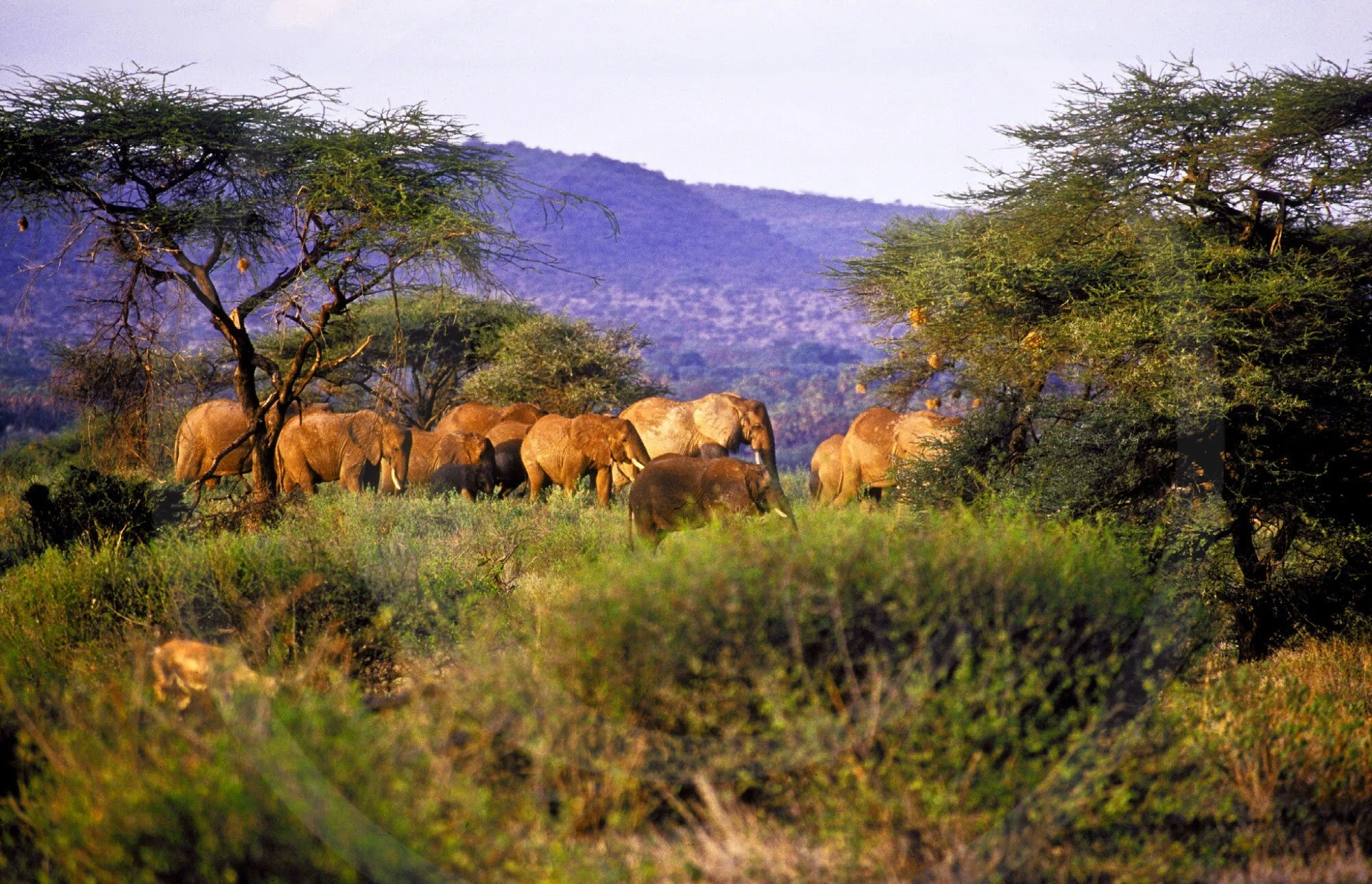
It was a few days into my first African safari when I learned the Fourth Rule of Safari Travel: When you think you’ve spotted a lion, casually ask the guide “What’s that?” rather than blurt out “There's a lion!” because 9 times out of 10 the ‘lion’ will be a termite mound.
Later on, I’d learn other rules: No. 7, If you’re squeamish about eating flesh avoid restaurants with the word Carnivore in their title; No. 13, Never run out of the safari tent, half naked, screaming “there’s a creature in my bed” before you’ve determined it isn’t a hot water bottle put there by the room steward to take the chill off a high-altitude night; and No. 17, Avoid standing up suddenly in an open-top Land Rover with a metal roll-bar above your head.
words + photos by Suzanne Marriott
When my husband, Michael, died on January 1st, 2006, I felt as if I had died, too. The light went out of my life. It was as if I were a candle and he were the flame, and his last breath had blown out that flame and left me alone in the dark. 
Yet, for some reason unfathomable to me, my life went on, though I saw no reason why it should. No longer able to make sense of my world, I began to rely more and more on my intuition.
A little over a year after his death, in March of 2007, I was sitting on my living room couch, reading my copy of Spirituality&Health magazine. Suddenly, an announcement for a workshop on travel writing jumped off the page. I’d always loved to write and to travel, and here was a way I could do both. The workshop was to be held in the beautiful but “undiscovered” southern Yucatan peninsula in Mexico near Belize. There was no reason in the world why I shouldn’t go, I thought to myself. Did I dare? Did I have the energy? Probably not, I decided. This was crazy.
words + photos by Don Mankin
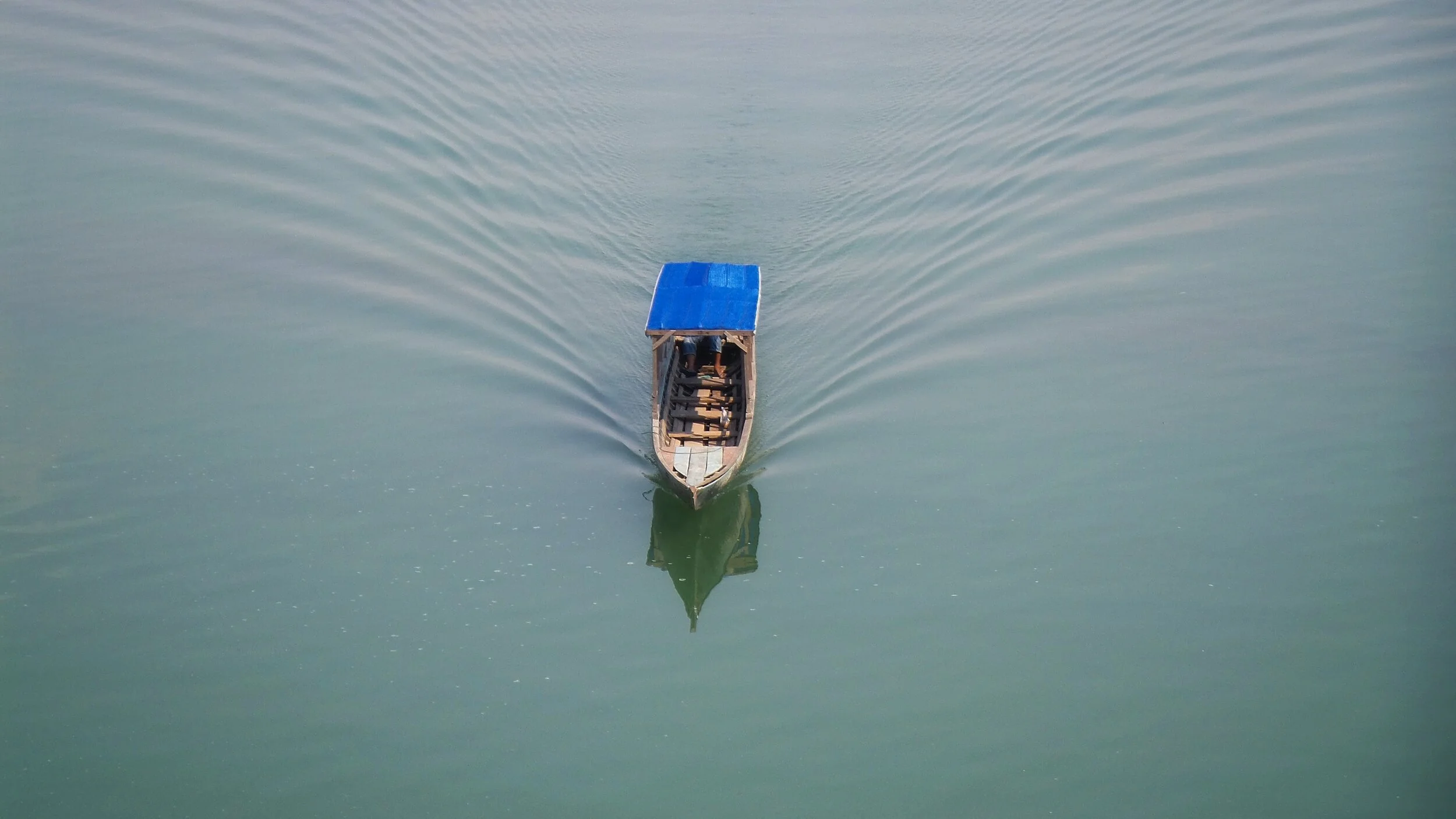
Our narrow wooden boat churns upstream powered by what looks like a motor from a small lawnmower. The wide, almost empty river is straight out of “Apocalypse Now.” I feel vaguely like Martin Sheen looking for Colonel Kurtz as I scan the sparsely populated river banks. The small boat has barely enough room for the four of us -- my wife Katherine, our guide, the operator and me.
We are heading to a small, isolated village buried in the jungle about 45 minutes up a tributary of the Mekong River, deep in the heart of Ratanakiri province, a mountainous region in the far northeastern corner of Cambodia. This is as far away from our home in Los Angeles as you can get in this world -- geographically, culturally, and in pretty much any other way you can imagine.
words + photos by Elyn Aviva
It was a place you couldn’t find unless you’d already been there—or unless you found someone to take you there, someone with permission to cross from here to there….
While my husband, Gary, and I spent the day in Paimpont, our traveling companions visited a holy well in the nearby village of Tréhorenteuc. By chance, they had met someone in a bookstore who told them about it and led them to it. They had dangled their feet in the water and meditated, one by one. It was a lovely place.
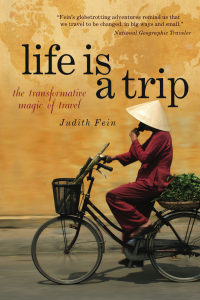
“Maybe the mark of a good traveler is the stories he experiences and retells and what he learns from those stories." - Judith Fein, Life Is a Trip
What would you do if you were a travel journalist squashed cheek-by-jowl with the sprawling/squabbling family of an unflappable Maori Elder as they pilgrimage from New Zealand through Europe in one of three breaking-down campers? If your name was Judith Fein, you’d follow each “arrow” of opportunity, take care of your sanity, find the most meaningful moment, and then write about it. This opening tale in Fein's debut book LIFE IS A TRIP: THE TRANSFORMATIVE MAGIC OF TRAVEL serves as the portal through which she invites readers to travel with her while she traverses the globe in search of adventure and meaning.
Fein has culled 14 "greatest hits" from her favorite experiences and melded them into a poignant, often funny, memoir. LIFE IS A TRIP transcends the cliché of the "Ugly American" who wishes for a ballpark frank in Tunisia and the souvenir-seeking tourist who believes foreign culture relates little to his own life. It carries endorsements by travel luminaries such as editors Keith Bellows of National Geographic Traveler and Catharine Hamm of the Los Angeles Times, as well as Shannon Stowell, President of the Adventure Travel Trade Association, and international travel journalist/filmmaker Tahir Shah.
In person, Fein comes across humble and honest, like her stories. So humble you might not guess she is an award-winning international journalist whose travel articles have appeared in over 90 publications, co-founder and editor (with Ellen Barone) of Your Life Is a Trip website, travel editor of Spirituality and Health magazine, vice-president of the Travel Journalist Guild, and former reporter for NPR’s “The Savvy Traveler.” In her non-travel life, Fein is a noted screenwriter, playwright, opera librettist and theatre director.
I caught up with the peripatetic writer while she was living her creed “I live to leave,” packing for a month-long adventure with husband, photojournalist Paul Ross. Sitting down for a moment in her Santa Fe home, Fein, took a time-out for this Q & A interview:
Q: Why did you decide to write this book at this particular time?
JF: I wanted to inspire others to have cultural adventures that can transform their lives—across the world or across their hometown. Cultural adventure is the New Wave of tourism.
words + photos by Elyn Aviva
She called to me just as I was falling asleep, exhausted from too much travel. We had had a long, twisting drive to reach her sanctuary, perched on the side of a sheer bluff in the Lot region in southwestern France. My husband, Gary, and I had gone to bed early, around 9:30 p.m., too tired to enjoy a night stroll through the tiny medieval village of Rocamadour, which sheltered her chapel.
I was almost asleep when I heard her loud and clear, as if she were standing next to me. “Get up!” she commanded. “Come visit me in my sanctuary! That’s what you’re here for!”
I groaned. I was tired. Besides, I’d already visited the Black Virgin of Rocamadour in her sanctuary just a few hours earlier, right after we had arrived, because we’d been told her chapel would close at 7:30 pm.
I turned to Gary, lying next to me in bed. “She’s calling me.”
“What?” He mumbled.
“The Lady is calling me to visit her. You want to come?”
He muttered something. Then, “You go ahead.”
Suddenly energized, I sprang out of bed and got dressed. After all, when the Goddess calls you, you have to go. I knocked at the room next door where our friend Anne was staying. I knocked again, louder. After a few minutes she opened the door, looking sleepy.
“The Black Virgin is calling me to go to her. Want to come?”
She nodded. “Give me a minute.”
Soon we were on a night-time pilgrimage to the Goddess, walking through the silent, deserted streets, climbing the 223 steps of the Grand Staircase that lead up to her cliff-side sanctuary. We followed the Rue de la Mercerie to a small square, the Parvis de St-Amadour, center of the holy precinct. Then we walked up to the upper landing and stood in front of the chapel doors. They were locked.
I shook my head, disappointed. “I know we were told the sanctuary would be closed, but I’m sure the Black Virgin told me to come and see her.” Maybe it had just been a daydream, I thought, or a moment of confusion as I drifted off to sleep….
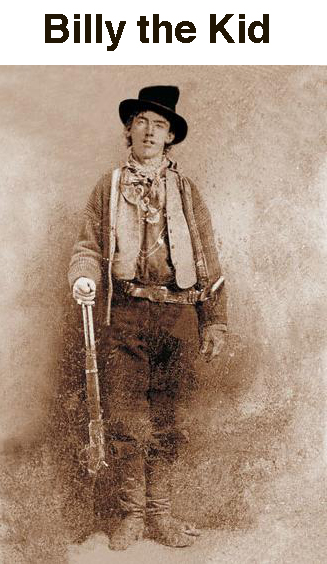
Because of a silver-colored horse named Concho and a notorious outlaw named Billy the Kid, my tether to the digital world got snapped. And, as it turned out, I was grateful. I’ll explain.
It all started about a year ago, when I heard about an intriguing trail riding vacation called the Tunstall Ride. It had a Billy the Kid theme and was based in southern New Mexico, major Kid territory. According to Beth MacQuigg, the ride manager, there would be three days of trail riding and we’d be traveling over some of the same rangeland that the Kid would have ridden over.
Riders would be housed in guest rooms on a private ranch adjacent to the property where the Kid once worked as a ranch hand. Known as the Tunstall Ranch, it was owned by his boss, Englishman John Henry Tunstall. Billy was riding with him one day when Tunstall was gunned down, was the first person to be murdered during the infamous Lincoln County War.
That bloody conflict aside, the land we’d be riding over was reputed to be some of the Kid’s favorite country. Beth told me that most people would be bringing their own horses, but for those of us who were horseless, like me, rental horses could be provided. As someone who loves horses, trail riding, and Western lore, the Tunstall Ride sounded immensely appealing, and I signed up. I signed my husband up, too. Though Terry doesn’t ride, he could hang out at the ranch and join us for meals and explore the historic sites with us that we’d be visiting without the horses.
by Ellen Barone
[this is the final article in our SPOTLIGHT ON PORTUGAL series this week... ]
When the only vices of a place involve food and wine, booking a flight is a no-brainer according to my travel rules. Throw in sandy beaches, cultural riches, mild climate, a lost-in-time pace of life, and an inexpensive cost of living, and you won me over, Portugal.
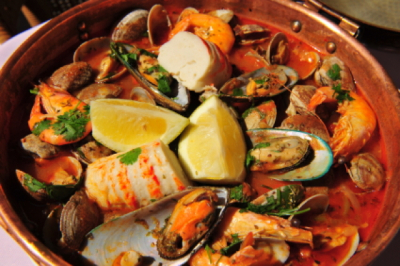
On a recent visit to the northern wine country, I spent four delicious days table-hopping from hearty lunches, rustic meals featuring unpretentious fare and artisanal feasts prepared by innovative young chefs who bring a creative flare to traditional specialties. Each meal was paired with the region’s fresh, light, aromatic wines known collectively as Vinho Verdes.
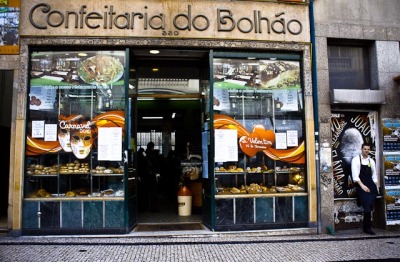
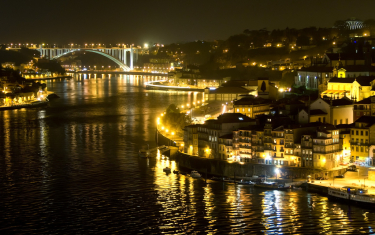
In Porto, the Confeitaria do Bolháo (Rua Formosa 339) proves it doesn’t have to be expensive to be good. I’d wandered into the café for an espresso and to sit out an afternoon rain shower. But I quickly upgraded my order to the meal of choice among the elderly patrons in wool caps and sturdy shoes who packed the place. “Yes, it’s fantastic”, said the waiter, when I asked to have what the couple at the table beside me were so obviously enjoying – a plentiful plate of crispy sardines, crusty bread, a delicious stew of red beans and rice and a carafe of robust red wine. Total bill: 7-euros. Nice.
A perfect example of the region’s rustic fare is Restaurante Páteo das Figueiras (Rua do Além 257), a homey establishment near Braga which serves exquisite local cuisine family-style in a simple and cozy room. The caldierada, a stew consisting of a variety of fish and shellfish with potatoes, tomato and onion, scooped up with a garlicky bread, was delicious.
by Judith Fein
[more from our SPOTLIGHT ON PORTUGAL series this week... ]
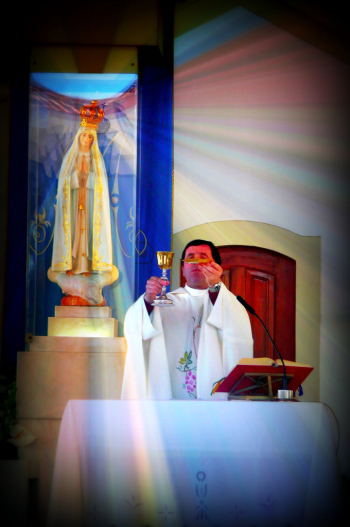
photo by erin-thérèse via flickr (common license)Do you believe in miracles? How else can you account for what happened in a field in central Portugal on May 13, 1917, when three shepherd children saw a vision of the Virgin Mary? Purportedly, she told the awe-struck kids that she would appear at the same spot on the l3th of the five following consecutive months. According to believers, up to 70,000 witnesses beheld a miraculous apparition on the 13th day of the last month. Go to Fatima yourself to see if you are uplifted, transported, or merely interested. It’s about one and a half hours from Lisbon by train. The three children are buried in the sanctuary, and in one outdoor area the faithful light long beeswax candles that intertwine as they melt and carry prayers to heaven. Be sure to visit the museum, where Marians from around the world—including Pope John Paul—have left objects that are precious and significant to them. The latter even donated the bullet that was used by the man who tried to assassinate him. He believed that the Virgin of Fatima saved him.
Perhaps, while you’re in Portugal, you’ll want to find out about the secret Jews in the mountains of central Portugal who were forcibly converted to Catholicism during the Inquisition. After half a millennium of hiding their identity, they finally came out. In Belmonte, where a museum tells the story and shows the artifacts, you’ll be swept into a world where people clung to their religion in the face of great danger and, in the end, faith triumphed over oppression. There is also a synagogue, and you may be fortunate enough to meet some of the Belmonte Jews. When they decided to publicly claim their heritage and faith—about twenty years ago-- the story captivated people round the world, and now Belmonte is one of the top stops in the region for visitors of all religions.
[more from our SPOTLIGHT ON PORTUGAL series this week... ]
When I was a little boy, stories were told around the fireplace about ancestors who were Barons to the monarchy in Portugal and high magistrates to the Tudor monarchy. I always found this exciting and special. I was also a bit skeptical as there were no documents to this effect --only antique photos that could have been gathered at any antique store. Over the years, I made some cursory searches on the web and obtained information about my father and his parents' origin, but nothing was certain, and I had a fair amount of doubt because we are a family known for telling good yarns or, to put it more bluntly, having a proclivity for embellishment.
In September 2009, I decided to do further research on the Portuguese family story to determine where legend and fact intersected. I contacted the Portuguese diplomatic office in Providence, RI and was directed to the Portuguese Consulate in New York. After explaining my intent, I began to correspond with the most important contributor to this story, Miguel Carvalho. He was enthusiastic about my personal Portuguese project and we began to work with the scant information I had-- the surname Soares, the City of Porto and the legend of a family connection to the wine trade. Soon afterwards, I received an email from a history professor from Porto named Gaspar Pereira. He was generous with his research finding that, in 1780, there was a business concern called Soares & Irmao (brother) LLC, and that the business was comprised of two brothers-- Jacquin Manoel Soares and Jose Henrique Soares. Jose Henrique Soares was awarded peerage as the Baron of Ancede by Queen Maria II da Gloria in 1842.