by Maureen Elizabeth Magee

Hamer woman, Ethiopia. Photo by Michael Lorentz/Safarious.com

We pull up the Land Cruiser next to a petite man walking along the road. He is wearing a sarong-type skirt; his hair is coiffed in mud and feathers. He is distinguished.

“It is Wolle!” cries Mageru as he gets out from behind the wheel. “He is the Chief of Chiefs for the Hamer people.”

They greet each other in the traditional way for Ethiopian men – clasping each other’s backs with the left hand, shaking right hands while butting right shoulders three times. Wolle’s head feathers stroked Mageru’s mustache.

In the Hamer language, Mageru introduces me as his wife. Wolle looks me over and absent-mindedly undoes and reties his sarong. He wears nothing underneath.

“We should invite him to camp with us,” suggests Mageru. “It is a long way back to his village.”

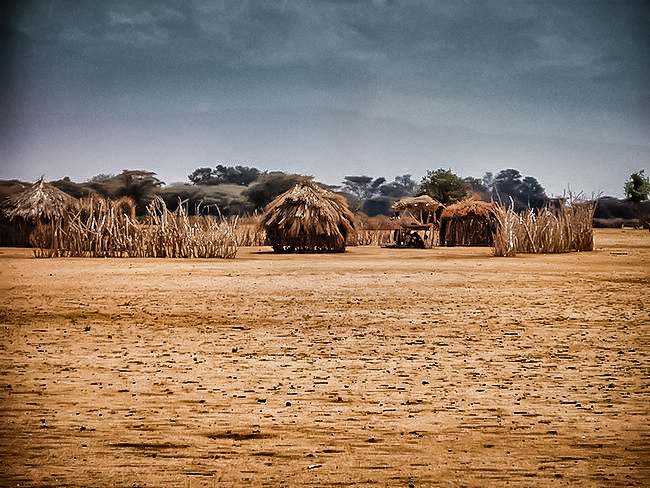
Wolle is happy to do that but insists on supplying dinner and so we swing the car off the road and bump our way across the scrubby, dry savannah. A landscape so formless, I cannot gauge how many miles we have travelled before reaching Wolle’s family enclave, a few cone-shaped huts made of sticks and grass and encircled by thorn bushes.

As I get out of the car, I am immediately surrounded by dozens of naked children and, standing back, shy semi-naked women. The women and I smile uncertainly – not knowing what is expected of us.

Meanwhile, under Wolle’s direction, Mageru and a few other men are playing chase with a small goat. The goat loses, and is manipulated safely - but not quietly - into the back of the Land Cruiser. He is wedged in tight and I pray that he will not pee, poo or upchuck on our gear.

It surely is the goat’s first car ride and it will definitely be his last. And by the time he bleats all the way back to our campsite, I am not feeling even a smidge remorseful. Our cook hustles him off (out of sight of my tender ferenj sensitivities) and disposes of him quickly; within a few hours he has become a tasty stew called figel wot. It is a pleasant camping evening; the men’s Amharic/Hamer murmurings around the fire are like soft ambient music to ears that don’t understand.
I’m an author, Nancy King—no relation to Stephen King—but if I were, this story might be different.  As it is, I travel to independent bookstores in nearby cities, each time hoping I will find a room full of people waiting to hear what I have to say about my new novel, Changing Spaces, and wanting to buy my books. 

In one bookstore, a few people wander up to the display, pick up copies of my books and thumb through the pages. This is promising, I think. There aren't many people, but at least looking and thumbing are a prelude to buying.  I grin broadly when a petite, well-dressed woman approaches me.  “Are you the author?”

story and photos by Lori Marquardson


So many reasons for going to Ecuador, but being stuck on a bus full of local Evangelical Christians in a mudslide was not one of them. Sometimes you just have to go with the flow. 

I had been backpacking alone through Ecuador and, deciding that a few days exploring the Amazon jungle was in order, made arrangements to meet up with a small group in the dusty oil frontier town of Lago Agrio.  From there we would go to the Cuyabeno Nature Reserve for a few days of roughing it with iguanas, howler monkeys, piranhas and blue morpho butterflies. 

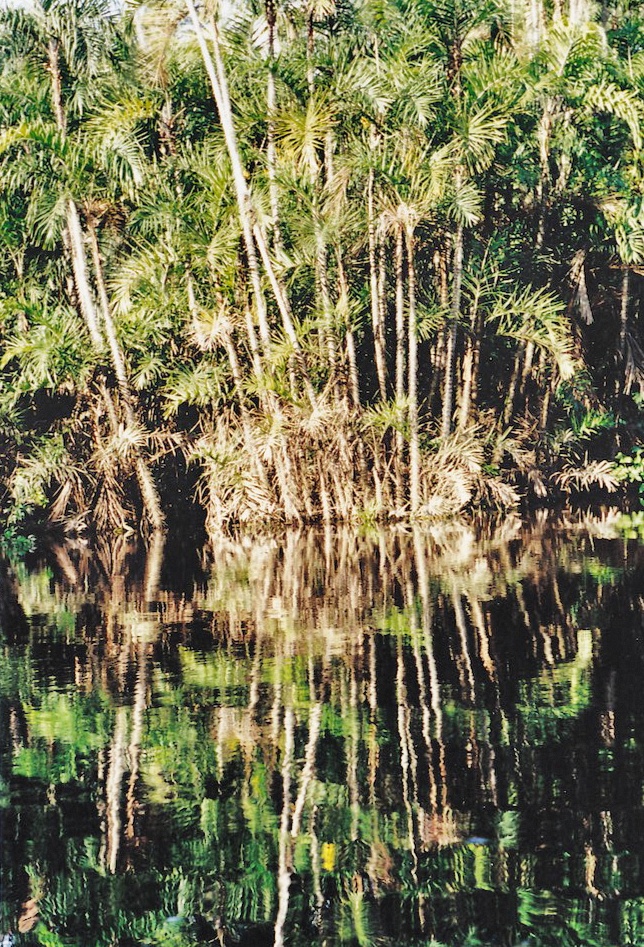
River reflections, Cuyabeno Nature Reserve, Ecuador.

A cool drizzle fell as I boarded the overnight bus in Quito. The driver’s personal touches of green fringe and dangling images of saints above the steering wheel couldn’t mask that the bus was more contraption than road-worthy vehicle. My fellow passengers were mostly short and dark, with a number of women wearing the typical Andean dress of black bowler hats, full skirts and rubber sandals while I, the obvious foreigner on board, sported beige zip-off pants and a purple windbreaker. We headed northeast, following the twisting mountainous roads leading out of the city, and despite the jolting motion, I drifted off.

At some point, I came to: the bus was not moving, no engine running, nada. I could see the driver had relaxed into what was definitely a non-driving position:  head tilted back, mouth agape, arms crossed over his chest, and legs spread-eagled. Strange, but having been in South America for quite some time, I had experienced unexplained delays before and generally they weren’t show-stoppers, so I tried to fall back asleep. Then came a huge rumble outside, followed immediately by murmuring voices inside.

“What the hell is that?”  I said to no one in particular and, being in the front row, I leaned over to the driver, and asked “¿Qué está pasando? “ 

“Hay un derrumbe.”  A landslide.  Hmmm, that did not sound good. 

story and photos by Christopher Clark


As the bus eased through the gears, through the green corn fields and farther away from the small terminal in the town of Kitale, I tried to cast my mind back to the beginning, to figure out what it was that had drawn me to the wild and volatile Turkana region of Kenya in the first place. I guessed that the people I would meet once I got there might want to know. But the truth was that I still didn't really have an answer.

I could at least have said that it stemmed from books by long-dead explorers; and that I was looking for something very different; and that Turkana seemed a long way away from pretty much everything I had previously known. At 28 years old I had grown bored of and disillusioned with much of what I had previously experienced. Wasn't that enough reason? 

Either way, it was too late. I was on my way, heading north, already half way there. Soon the bus rose out of the the Rift Valley and gradually left the rich, thick vegetation behind as we entered a place of sparse open space and scorched earth.


The rumours about the poor quality of the dirt road to Turkana were by no means exaggerated. At times the bus seemed to defy physics, leaning precariously to the side, the ground suddenly almost within touching distance of the window. Many of whom I assumed were the more seasoned passengers whooped, laughed and slapped thighs as though it was all part of the fun. I held on to my armrests for dear life.

A few hours into our journey the bus passed a group of five or six men slouched on the sand with T-shirts covering most of their faces like balaclavas and AK-47s slung over their shoulders. As I stared out of the window at them, one of them saw me, stood up, lifted his gun aloft with one hand and waved at me vigorously with the other, and then they were gone.

We arrived at our destination, Lodwar, at a little before 11 p.m., roughly five hours late. Patience is a must for travelling in Kenya.

Floating on the Ocean

by B.J. Stolbov

Pagudpud is not a promising name for a beach town.

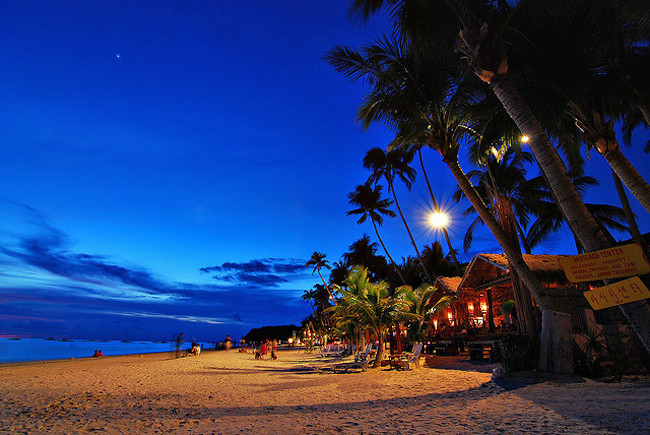
Boracay – now that’s a great name for a beach town. Boracay is an island between the Tablas Strait and the Sibuyan Sea in the Visayan Islands of central Philippines.  This is the place where people, many foreigners, go when they want to go to a beach. Here are white sandy beaches and deep blue waters, planted coconut palms and scheduled ferries, harbors for sailboats and large yachts, expensive hotels and designer resorts, gourmet restaurants and fast-food joints, beautiful women in tiny bikinis and handsome shirtless men, hot sunny days and wild drunken nights, 24-hour bars and all-night discos, music, singing, laughing, fun, affairs, romance, sex, secrets, exciting evenings, and, maybe, a regret-filled morning. Boracay.

Boracay Beach at Dusk/ Flickr.com

Pagudpud sounds like one of those small, lost towns in northern New Jersey. Pagudpud is a small, lost town in northern Ilocos Norte.  It is the most northern town in the most northern province on the northern island of Luzon.  From Manila, it’s a 10 to 12 hour bus trip. But when Filipinos want to get away, they go to Pagudpud.

Pagudpud is a tranquil, isolated town nestled between the South China Sea and the Cordillera Mountains.  Protected by the mountains, few storms threaten up here. The weather is warm, but not hot. The ocean is clear, blue, and unpolluted. The fishermen, in their hand-built boats, are out early in the mornings, tending their nets.  Long-winged seabirds fly low over the water. Wavelets splash lightly on the shore. The beaches are pristine, unspoiled, and almost all white sand.  These beaches are some of the most beautiful in all of the Philippines.  

by Jules Older 


OK, here it is — my dark secret. 

No, first, let’s set the scene. I’m a professional traveler. I make a substantial part of my unsubstantial living by traveling the globe and writing about it. I should be good at travel.

I am… when I travel with my wife. We serenely swan into Portland or Ponce or Pittsburgh, where we observe, write, photograph, and leave. People say, “My, what a competent couple.”

Couple. That’s the key word here.

When I travel without Effin (who should be declared my legal guardian, not my spouse), I lose everything. Everything. That’s my dark secret.

On a ski trip to Italy, when I drove on to Cortina, my right ski boot stayed behind in Val Gardena. Care to guess how much it costs to ship one ski boot across the Dolomites?

On recent trips, I’ve left my swimsuit in Miami, car keys in Montreal, camera in… I never did find where I left that camera. 

My Journey to the Union of Heaven and Earth

by Elyn Aviva

Join me on a journey into the unknown, where what you think you know melts away and is replaced by something—something “bigger.”

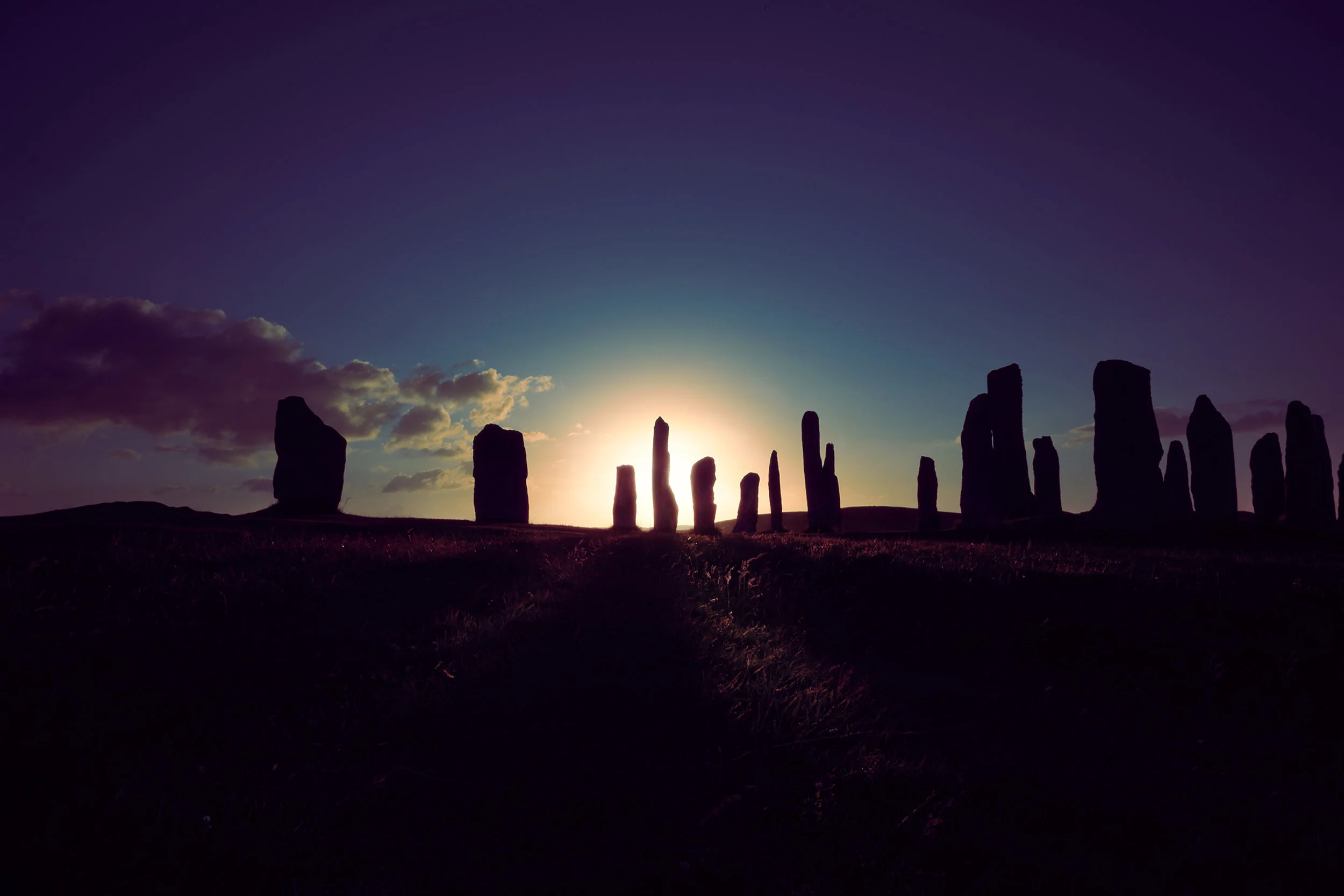
For decades I have been drawn to sacred sites and powerful places, drawn to go on pilgrimage across France and Spain, drawn to place my feet in the footsteps of if not my ancestors then of the ancestors of spirit who have traveled these paths before me. Like iron pulled toward a magnet, I have sought out well- and little-known places of power—ancient stone circles, half-buried dolmens, ruined Romanesque chapels, spire-topped inspiring cathedrals, thick forests, hidden holy wells, dark sacred caves. Seeking I knew not what, going I knew not why, except that I was driven by a simple but all-consuming question: “What are these places?” I think I hoped that, by going to enough of them, I would find the answer.

by Dina Lyuber

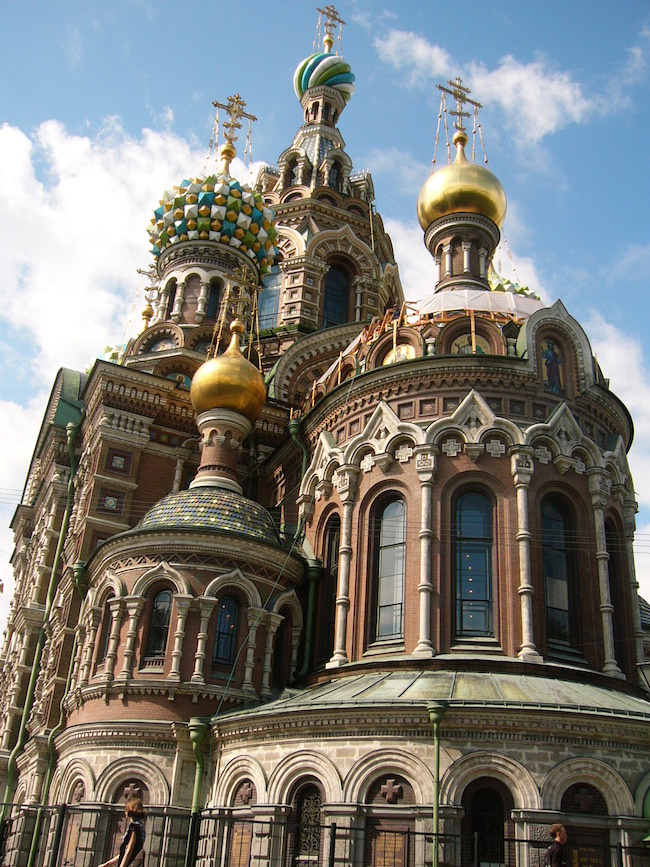
     My husband Roman and I were both born in the former Soviet Union. I moved to Canada when I was still in diapers; he spent his childhood in Leningrad before moving to the States. Neither of us had been back since, but after we’d met and married, we decided to go back to the USSR (as the song goes) – though the Soviet Union no longer existed, and neither did Leningrad. We were returning to St. Petersburg in Russia, and name changes aside, that meant a return to our roots, our long-ago home.


My in-laws still had contacts in the country, and we were offered free accommodation in a private medical clinic just off of the Fontanka Canal, across from the Summer Garden and minutes away from the bustling Nevsky Prospect. The clinic was housed in a Baroque-style building decorated with reliefs and statues of winged angels. Inside, the corridor was dim and narrow, permeated by a medicinal smell. A large kindly woman showed us to the spare room in the basement. There was a modest bathroom in the hallway. The water running from the taps had a brownish tint. There was a fold-out couch to sleep on and a good-sized kitchen. It wasn’t a bad space, but it was cold. It was August, and I was freezing. 

We spent the first days of our two-week trip rambling through the city. We never took taxis or buses, but padded down the wet sidewalks and absorbed the fresh-air smell wafting from the Neva river.

Fire, Candle, Drum, and Stones: A Sensory Experience

by Fyllis Hockman

The first thing I heard were sounds. Were they cymbals? Was it thunder? What did they mean? Were they supposed to mean something? But I didn’t have time to ponder before the next sensory assault -- this time different textures caressing my bare feet -- gravel to burlap, wooden slats to smooth slate to soft rug. Were the others experiencing the same thing?

And here’s the rub. We were all blindfolded, one hand on the shoulder of the person in front of us, as we moved about our mini-jungle. At first, I felt disoriented, out of control, with the added annoying question lurking in the back of my head: I am a travel writer, how am I supposed to take notes? But our Mayan guide propelled me back into the moment by explaining that when our sight -– our main sense in relating to the world around us –- is cut off, the others senses are expanded. And I had better start paying attention.

A Partner Post by PerpetualExplorer.com contributor, Emma Corcoran. 

Two or three times a week, Jay Savsani hosts a meal on the rooftop of his Chicago apartment complex. Last week his dinner guests were two Swiss tourists, and this week he’ll be hosting some fellow Chicagoans. Jay and his fellow diners are strangers but have connected through MealSharing.com, the food-centered social networking site Jay founded last year.

MealSharing allows diners and hosts from around the world to meet and share a home-cooked meal. Hosts put a profile on the site, which lists the types of food they usually cook and displays photos of their past culinary creations. Guests can then make contact and request a meal. MealSharing is a free platform; it costs nothing to participate as a guest or a host in this “couchsurfing for foodies” social movement.

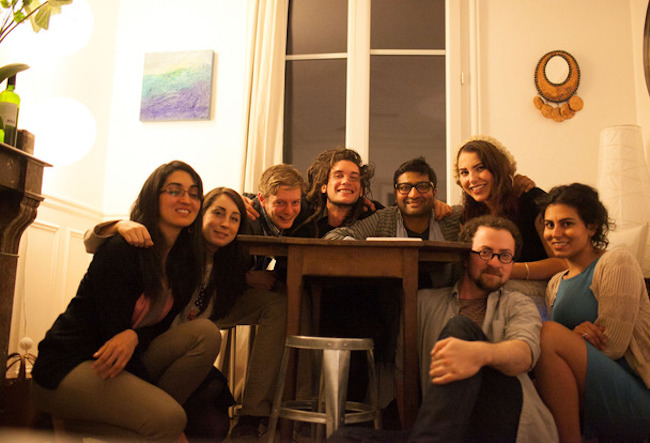
The First MealSharing Dinner in Paris (Photo Source: MealSharing.com)

“We come from a mission where we care about bringing communities together; be it from an international standpoint or within the local area,” says Jay, who says that “MealSharing is platform that connects travelers; however people also use it as a way to eat with other meal-sharers in their hometown.”

story and photos by Charmaine Coimbra


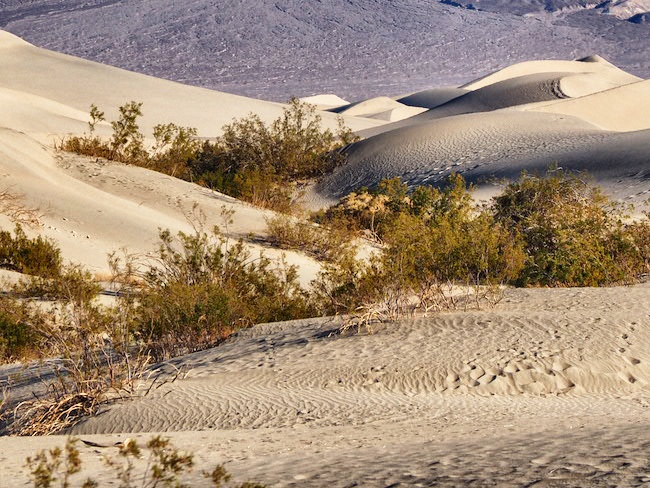
I gasped for air as the constrictor of too much life strangled the air from me. So I took a trip to Death Valley to remove the choking beast. 

Maybe it was the funeral I attended the day prior. Or maybe I was ready to take in the nothingness filled with life that colors the 5,219 square mile Death Valley National Park.


I escaped to three days of rock and sand—like a magic, colorful, sand strata bottle—hoping the trip would restore my soul's battery. 

At the funeral, filled with native Californians, I mentioned that I planned to drive to Death Valley in the morning.

“You know, I’ve never gone there,” confessed more than one person.  

“Why Death Valley?” another old-time friend asked.

“I can use a desert retreat,” I explained, oblivious to the fact that I was leaving a Death event to go to Death Valley. 

“But you live in paradise, a few blocks from the ocean, perfect everything,” my friend countered.

“True. But sometimes I like the stripped down and naked desert. Fewer distractions.”

After a year of personal challenges, I craved a drastic change of scenery. All I wanted was two things: unearthly silence, and minimal human contact.

So I booked The Cottage at Panamint Springs Resort. Sounded like ice tea on a hot day. 

by B.J. Stolbov 

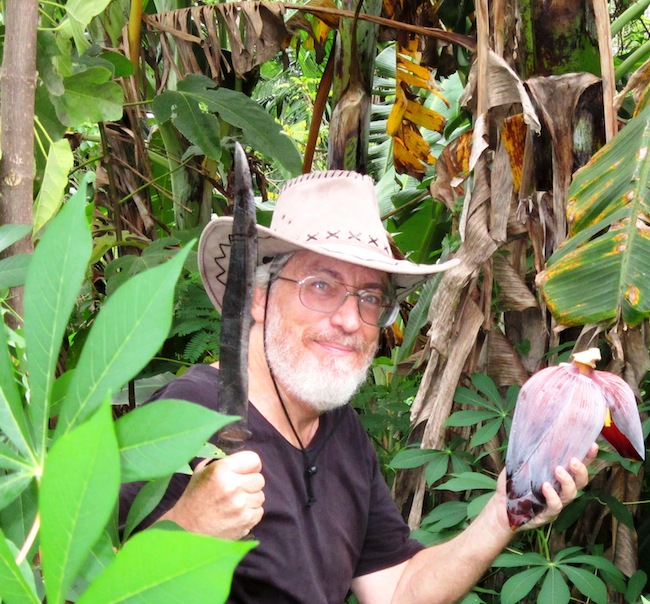
It was a dark and cool morning. I was up before dawn. Quietly, I put on my boots and my hat. Then, accompanied by my protective guard dogs, Julius and Brutus, and my intrepid, knife-wielding guide, Samuel, we started out into the jungle in search of the elusive wild banana blossom. 

The hills rolled away like brown buffaloes. Sighing as if still asleep, the trees drooped in the morning stillness. Birds flittered from tree to tree. Except for the sound of the distant chickens, a sound as pervasive as breathing itself, it was unusually quiet. The morning was calm. Not a breath of air moved. The dew was still thick on the tall grass. My view, from close to far, was green, jungle green, dark green, light green, middle green, green and green, everything was green. And I was searching for anything that wasn’t green. I was looking for yellow bananas and below that the most colorful plant in the jungle, the rare wild banana blossom. A banana blossom is a beautiful specimen. It is a deep reddish-purple and shaped like a huge upside-down rosebud.


Bananas, in the wild, come in many varieties, shapes, sizes, and colors. The Saba is a thick banana. It is much like the plantain in the supermarket that everyone looks at but no one seems to know what to do with. The Saba is used for boiling into soups and stews, or just boiled, peeled, and eaten cold much like a potato. It is also boiled in sugar water to make a delicious dessert called banana glaze. It can also be deep-fried and rolled in sugar to make banana-que. Lakatan and Latundans are both sweet, eating banana, with the Lakatan being the sweetest-tasting banana I have ever eaten, especially when it is freshly picked. Empress bananas are the tiniest bananas, about the size of the palm of your hand and can be eaten in about two or three tasty bites. The long, yellow, perfect banana that you see in the supermarket is called a Cavendish. It is probably originally from near here. But your perfect banana, domesticated and grown on enormous plantations throughout the tropics, is no longer a wild banana. 

by Lynn Smith

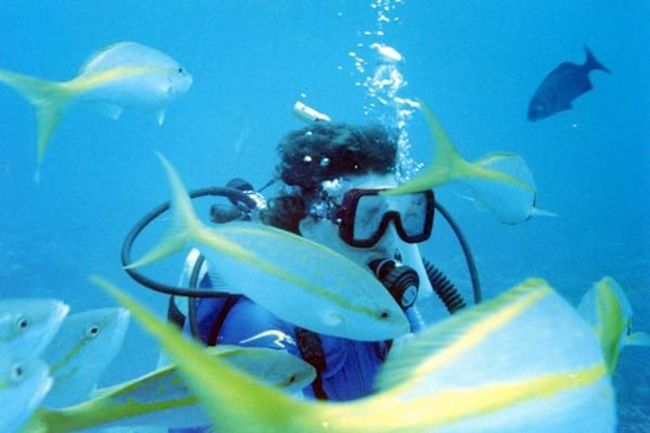
I was diving on a reef off of Harbor Island, in the Bahamas. It was a lovely morning, the bright sunshine spearing down through more than thirty feet of water to light up the colorful and fishy reef below. I had a cheap plastic underwater camera and was floating upright just off the sandy bottom, positioned to record the dive master hand-feeding a few of the “tame” Nassau groupers.  A small cluster of divers eagerly watched the dive master as she pulled some goody from the front pocket of her buoyancy compensator (BC) and hovered over the reef.


Pretty soon, four large groupers swam out of their holes in the reef and slowly approached the dive master. I took a quick “establishing” shot, careful to capture the dive master, the fish and the group of tourists. I tried to crank the roll of film manually to the next frame, but the gloves I had on to protect my hands from sharp coral made operating the film advance wheel impossible.

Confessions of a Tour Guide

by Melanie Webb

“Be grateful for whoever comes, because each guest has been sent as a guide from beyond.” - Rumi 

Eiji and I ascended higher into the silence of a still autumn afternoon on the Colorado Plateau. The Wave, iconic redrock remnant of petrified sand dunes, disappeared below us. Twice already we’d cliffed-out, reached dead-ends where our path fell away into the abyss below and forced us to backtrack and work another angle.

“Are you sure you can get back down?” I spoke slowly to my Japanese guest and gestured to the steep slope we had just hiked.

by Atreyee Gupta


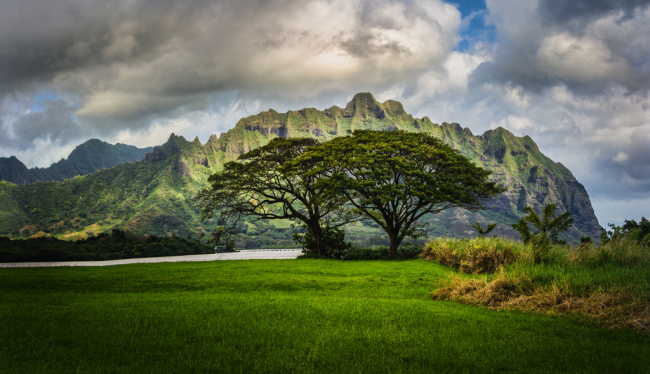
The first time my father took me to the island of Oahu, it was not to see the popular beaches. Instead we went straight to the interior of the Hawaiian isle where dense wilderness overtakes the landscape, creating a virescence that leaps out at the eye in full three-dimensional glory. It was a capital sight for me, an immediate opening up of my senses to the wonder of nature’s artwork. Ever since, immersing myself in Oahu’s jungle trails has been a necessity, an addiction I cannot deny.  

The Lost Cliffs of Oahu by Trey Ratcliff via Flickr CCL.

For my father, whose own parents had taken him as a child to the depths of the Wai’anae Mountains, Oahu’s wild heart was the key that unlocked his soul, bringing him back to himself. Our hikes exploring Waimea Valley or the Hau’ula trails were times, he explained, for us to look into our hearts and see the best of ourselves reflected in the natural world. “Know yourself,” was a phrase he often quoted to me on our jaunts.

Silently crossing burbling streams or making our way deeper into the Ko’olau Range, we kept our senses alert for the sounds of bark and nuts crunching beneath our feet, the quick flash of a red-crested cardinal as it dove into the branches, the whiff of delicate perfume from rose apple blossoms. Our speechless rambles were only broken with peremptory whispers as my father identified the cheerful yellow amakihi swaying on a limb, the fiery red stamens of a flowering myrtle as it quivered in the breeze, or the discovered tributary of a tiny silver runnel. My time with him was spent not on discussions about my future or his past, but on total absorption of Oahu’s natural paradise. Everything else, he claimed, was secondary.

The Quest for La Baguette

by Ingrid Littmann-Tai

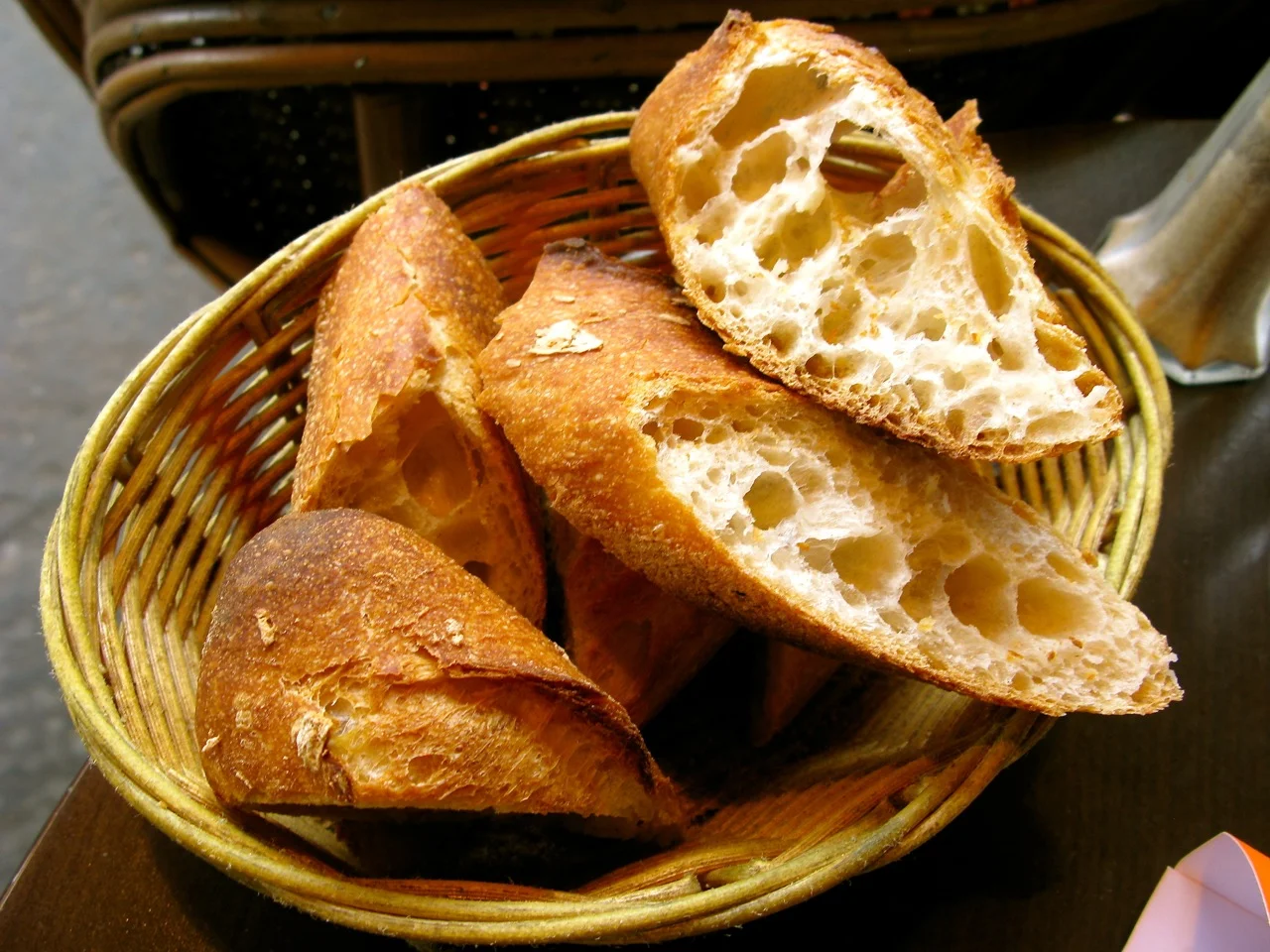
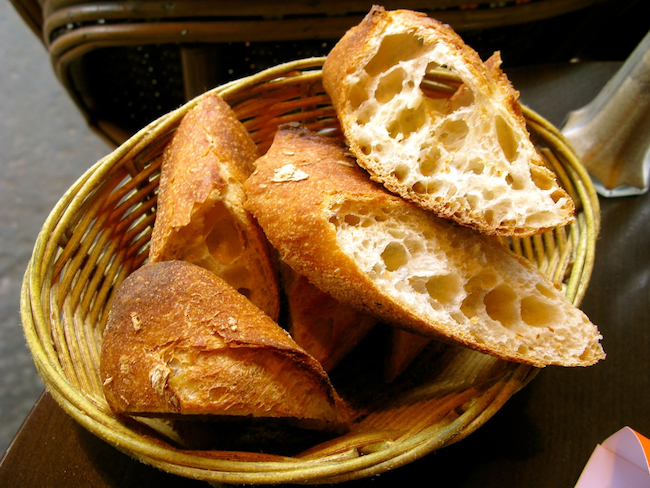
Ahh, la baguette, quintessentially French. Biting into your favourite baguette is a soothing affair that will bring a smile of contentment to your face. When you find a good one, all others pale in comparison. Every time my feet land on French soil, I start anticipating my first tasty baguette that will welcome me back to my second home. But it has to be the right baguette. Just as not all French wine is worth drinking, not all baguettes are worth consuming.

Crusty on the outside and hole-y on the inside, the perfect baguette is not too chewy, but rather soft with small bits of bread that ball up in your mouth as you chew. It can be slightly tangy and definitely has a distinct aroma. And baguettes are serious business in France with the average person consuming half a loaf per day. Precise laws protect this French institution with strict regulations concerning the ingredients; any kind of additives are an absolute faux pas.  Flour, yeast, water and salt are all that is needed. A light dusting of flour on the outside, and 20 minutes later, voilà, your baguette is ready to devour.

As serious baguette lovers, I knew my daughters and I would have our work cut out for us when we moved to Paris. With over 1800 boulangeries in the capital and 12 within a 10-minute walking distance of our new apartment, some taste-testing would definitely be involved. As soon as we dropped our suitcases in our new Parisian flat, we happily took on this challenge. I felt like Goldilocks of the three bears fameI knew it would take several attempts until we got it "just right."

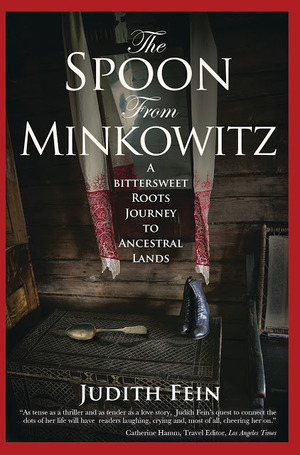
This week, our executive editor, Judith Fein, published a book that has already garnered great reviews and word-of-mouth referrals—THE SPOON FROM MINKOWITZ: A Bittersweet Roots Journey to Ancestral Lands. Writer Caren Osten Gerszberg interviewed Fein in the Q&A below for a YourLifeIsATrip.com exclusive. Read on to discover the story behind the story. 


Q: In your book, you recount your lifelong quest--since learning six facts about your grandmother's life in Russia--to return to her village. Why do you think you were interested to learn of your family roots at such a young age?

JF: I think that some of us were born to be musicians, teachers, writers, social workers, or mathematicians. I was fingered by fate to find out the truth about my ancestors, and to honor all of those who came before me. My grandmother spoke with an accent, believed in unseen forces, and came from an exotic country. She didn’t want to talk about her past life. My mother refused to tell me about the village her mother came from.  And the more they stonewalled me, the more I wanted to know. I was a little kid, but I followed the six paltry clues I had like a sleuth. In fact, I can honestly say that I was living in a detective story. 


Q: Throughout your journey, you were repeatedly "hitting walls" when it came to learning about Minkowitz--such as with your mother and the man on the train in Paris. What provoked your will to continue the search?

JF: I was obsessed. No matter what anyone said or did, I was undaunted. I loved my grandmother. I was on the phone with her right before she died.  It was my secret mission to get to her village and find out what no one would tell me. I wanted to know who she was before she was my grandmother.  And when I grew up, I discovered that a lot of people were just like me. No one in their families spoke about what happened before they came to America. I was absolutely determined to find out, for myself and for others who had never asked the questions, but who cared, who were curious, who wanted or needed to know. 


Q: When you first arrived in the Ukraine, you made connections with older women. How did that bring you closer to your grandmother and your plight to visit Minkowitz?