Beyond Medellín: Discovering the Colorful Soul of Guatapé
I ventured out of Medellín for the day to see Guatapé, a colorful town a couple of hours away. While there are many tours that go there, my friend Jim had one firm piece of advice: hire Nick, a local taxi driver. “You’ll thank me,” he said. He was right. The area is flooded with tour buses.
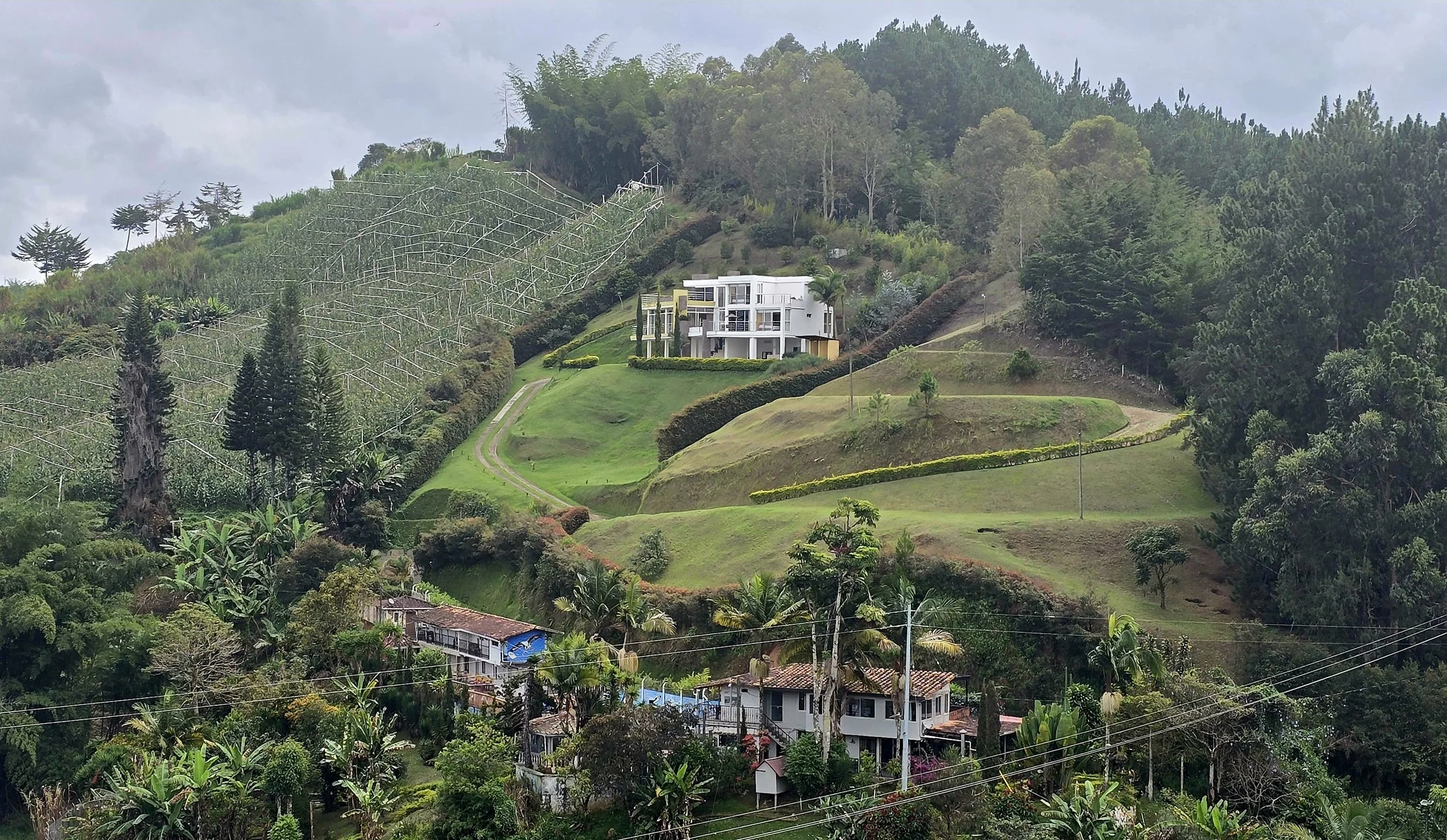
Nick, Colombian, is fluent in English. He turned what could have been a long bus ride with rushed stops into a relaxed, rolling conversation about the countryside, the culture, and the history of the region. With someone else navigating the winding roads, I could look out the window and watch the green hills, distant water, tidy towns, and artwork decorating most towns.
Our first stop was an unexpected one: a roadside park with llamas and other animals grazing as tourists snapped photos. It was like a pop-up petting zoo dropped into the Colombian highlands.
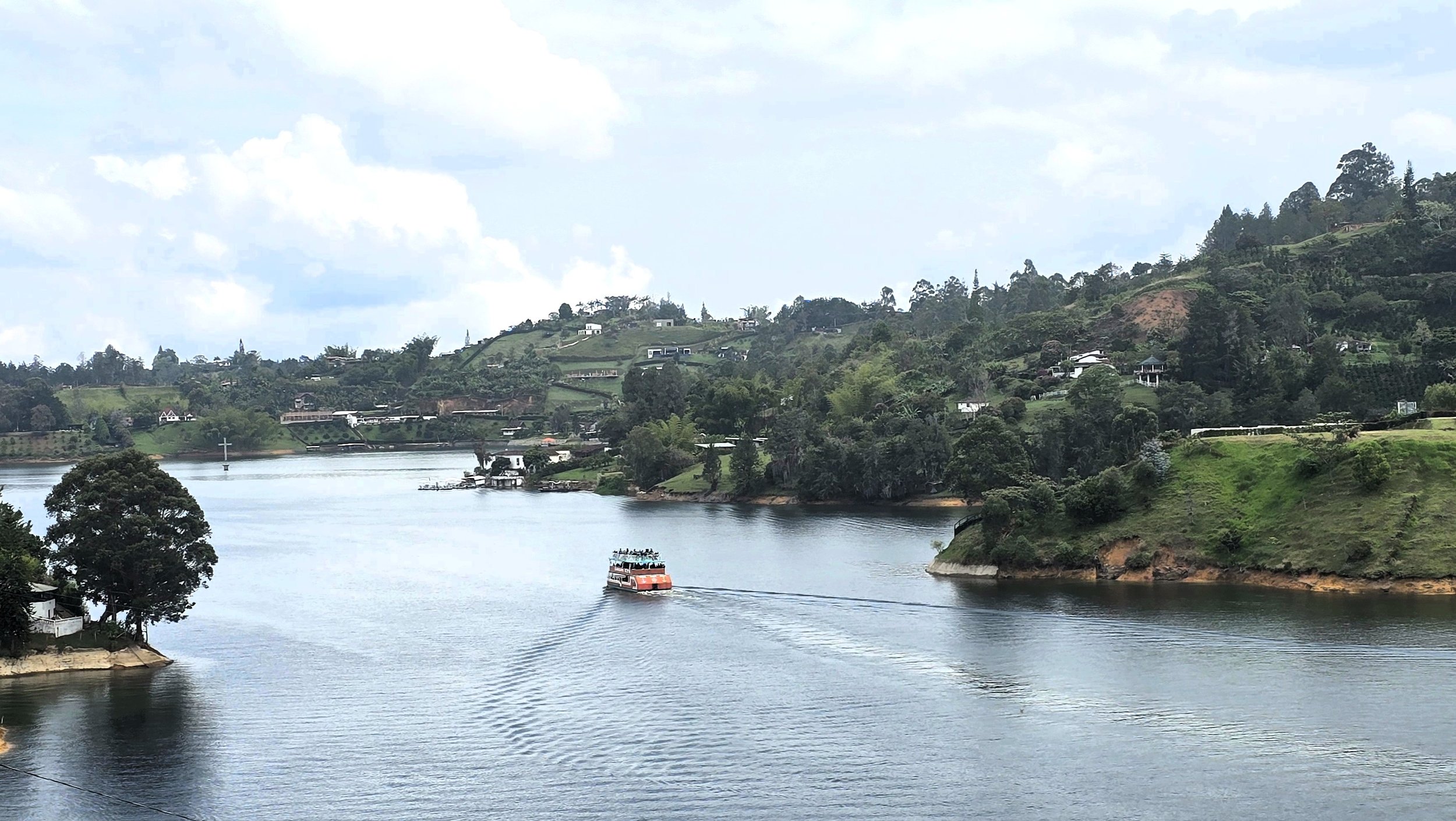
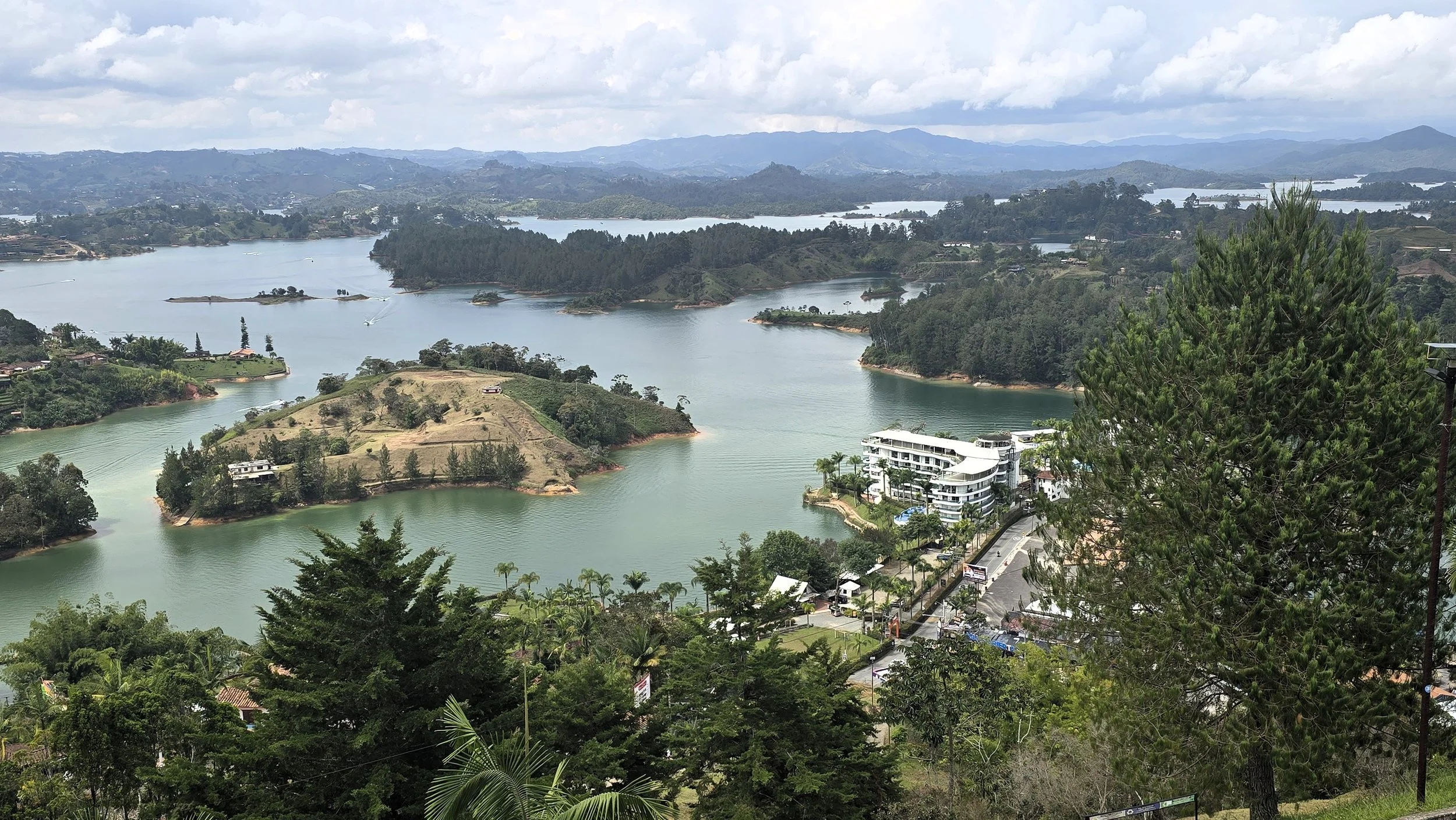
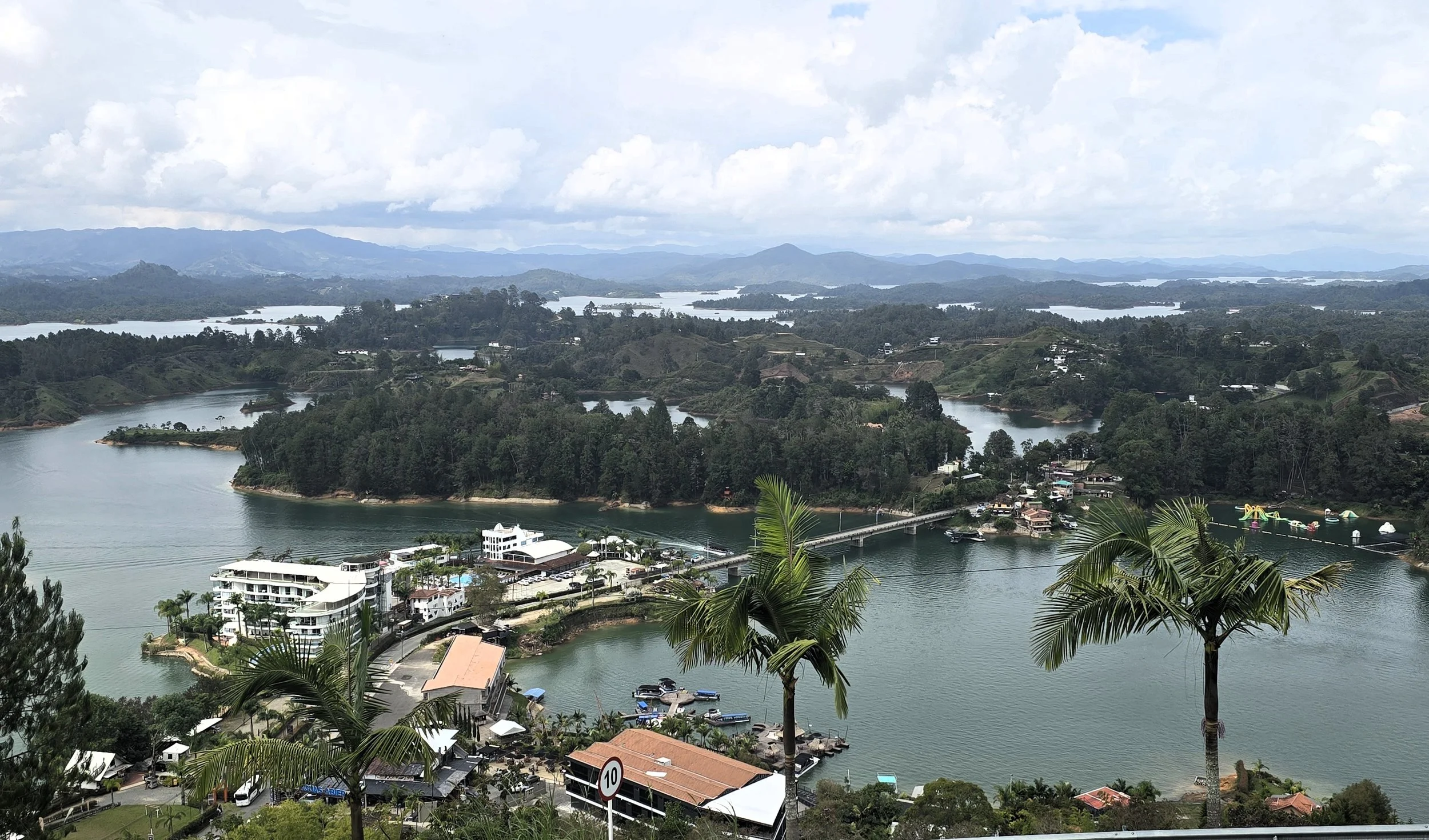
Then we arrived in Peñol, technically a new town. They flooded the original town decades ago to create a hydroelectric dam. The residents rebuilt a replica nearby. We walked through this reconstructed and very touristy version. The original town rests underwater, marked only by a cross in the middle of the water, the location of the original church. It is easy to take a boat ride to see the area. We also visited the area of Peñol, where people live and work. I preferred the actual town, which is bright, welcoming, and filled with murals and sculpture.
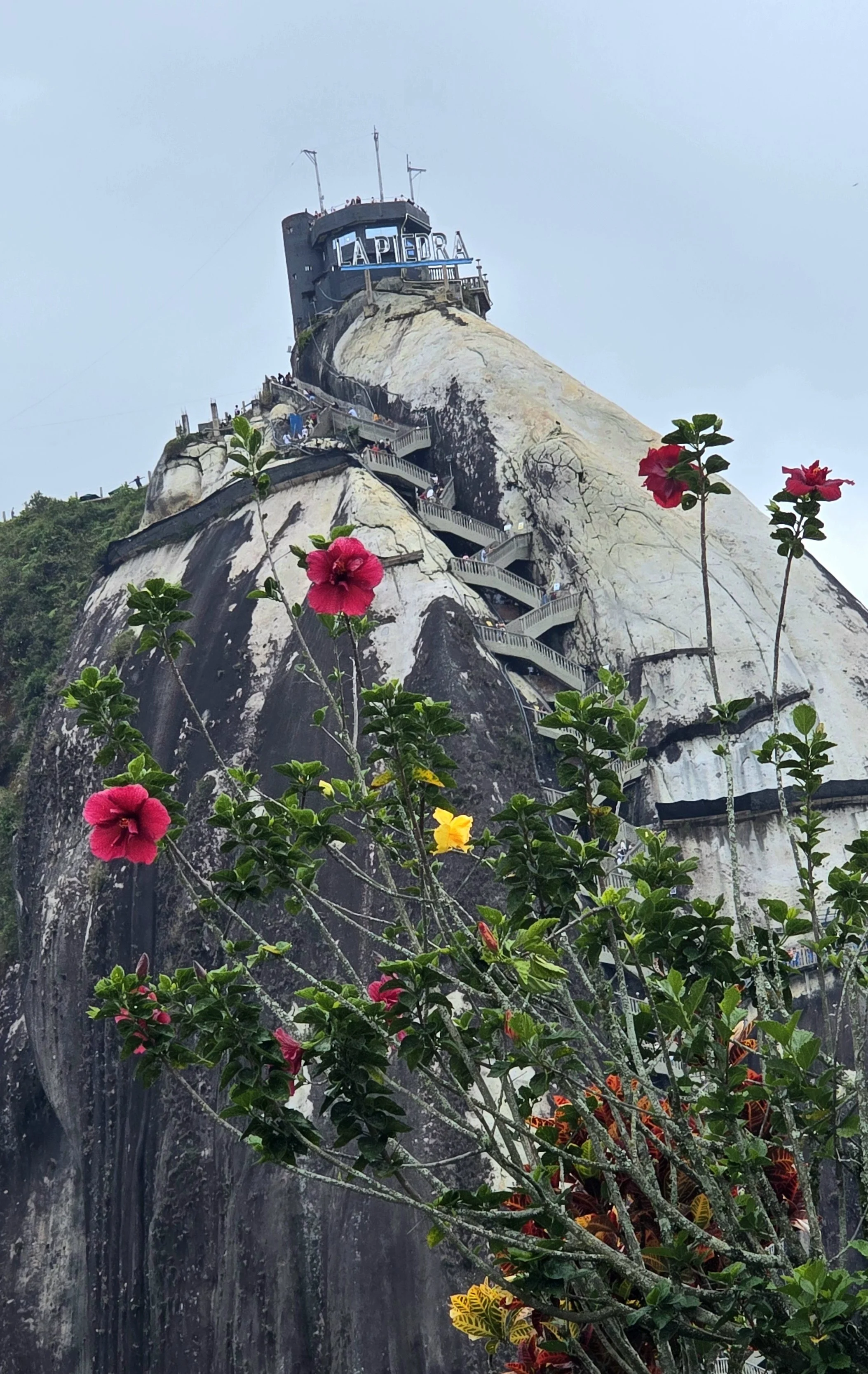
And then came Guatapé. I fell in love almost instantly.
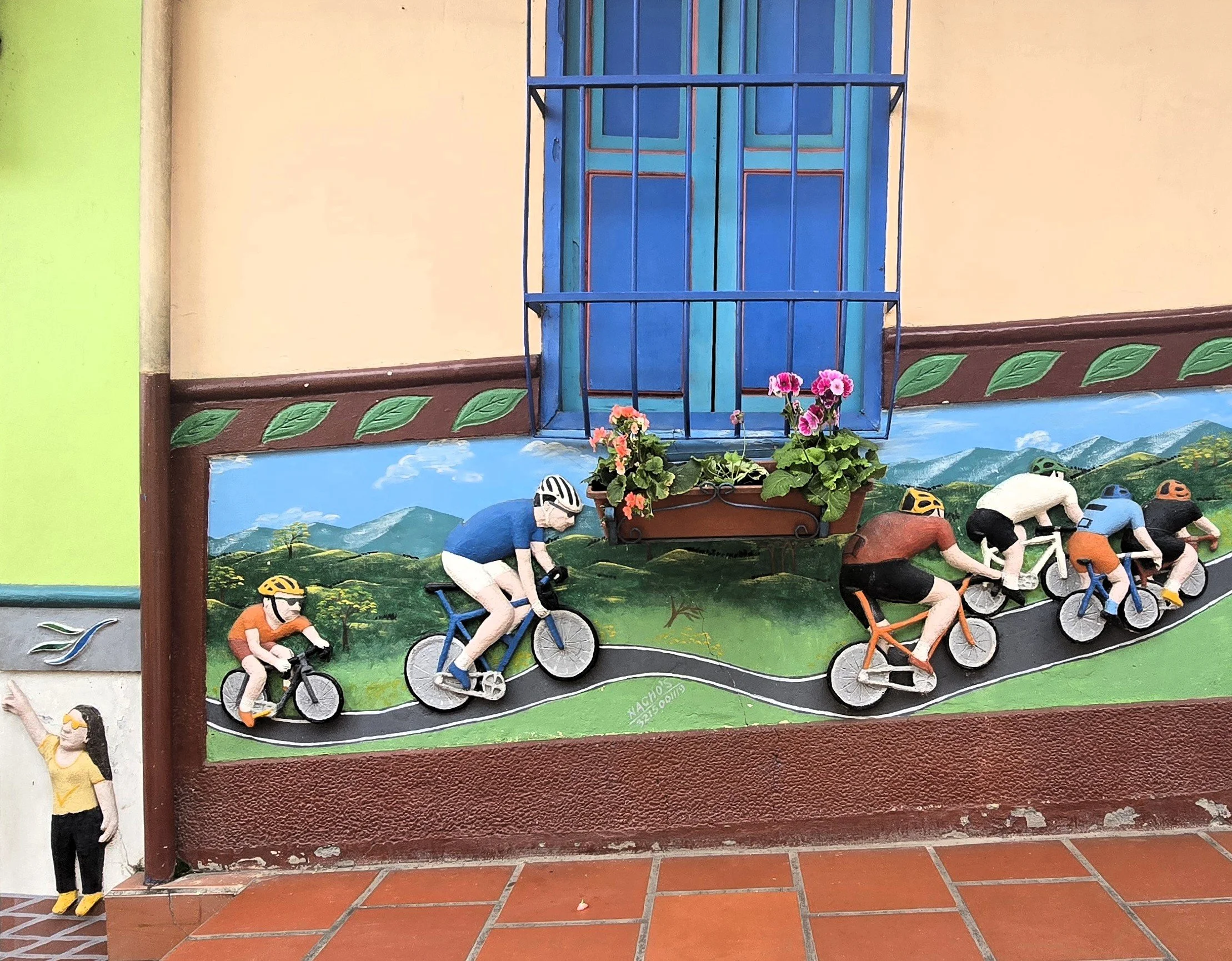
Color in Guatapé is not an accent; it’s a way of life. Every building is painted in exuberant shades: turquoise, fuchsia, sunshine yellow, deep blue. My friend joked that there must be a law requiring at least five different colors on every building. In addition, along the lower portions of the buildings are decorative panels called zócalos. They depict scenes of local life: farmers, flowers, animals, musicians, ice cream, barbershops, and other daily routines.
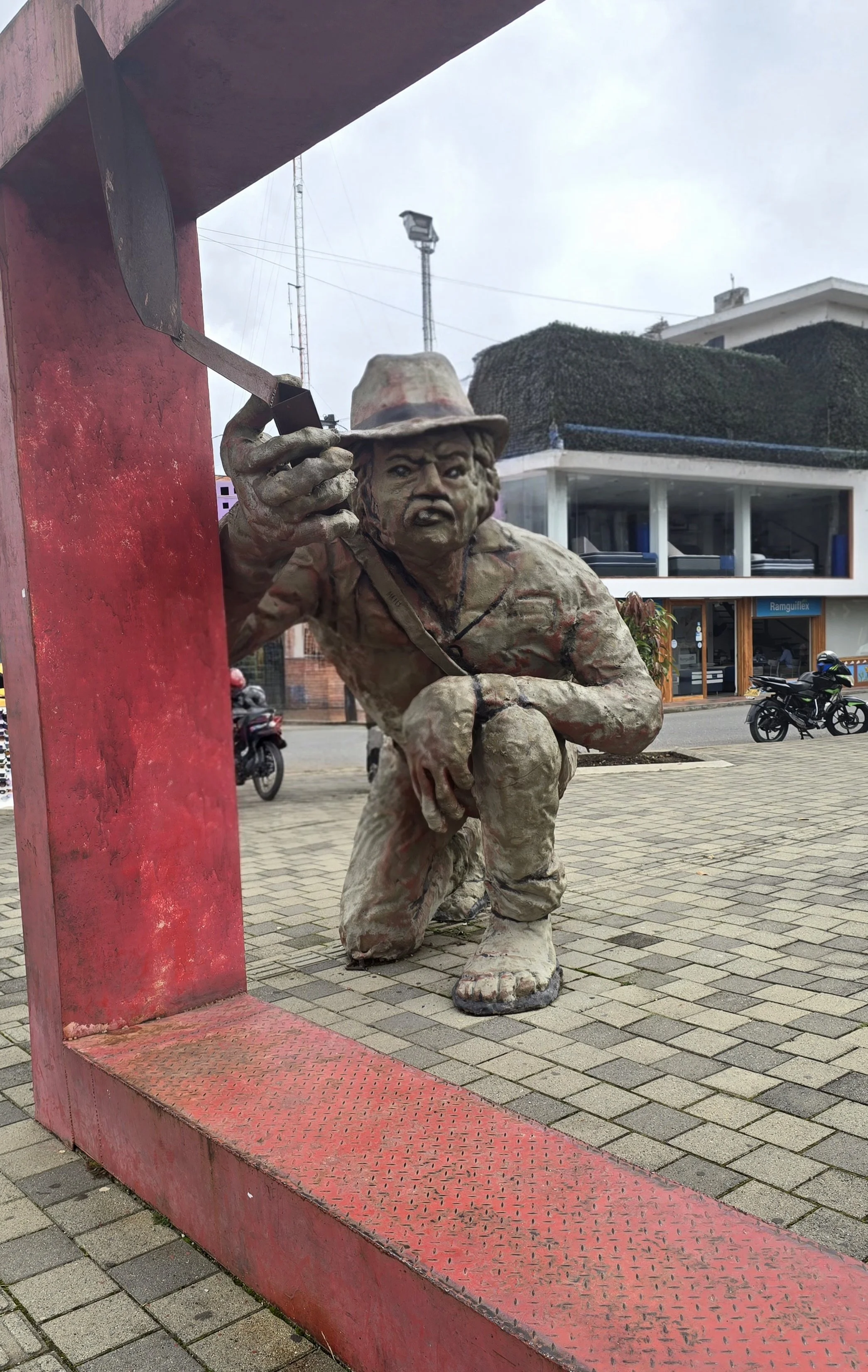
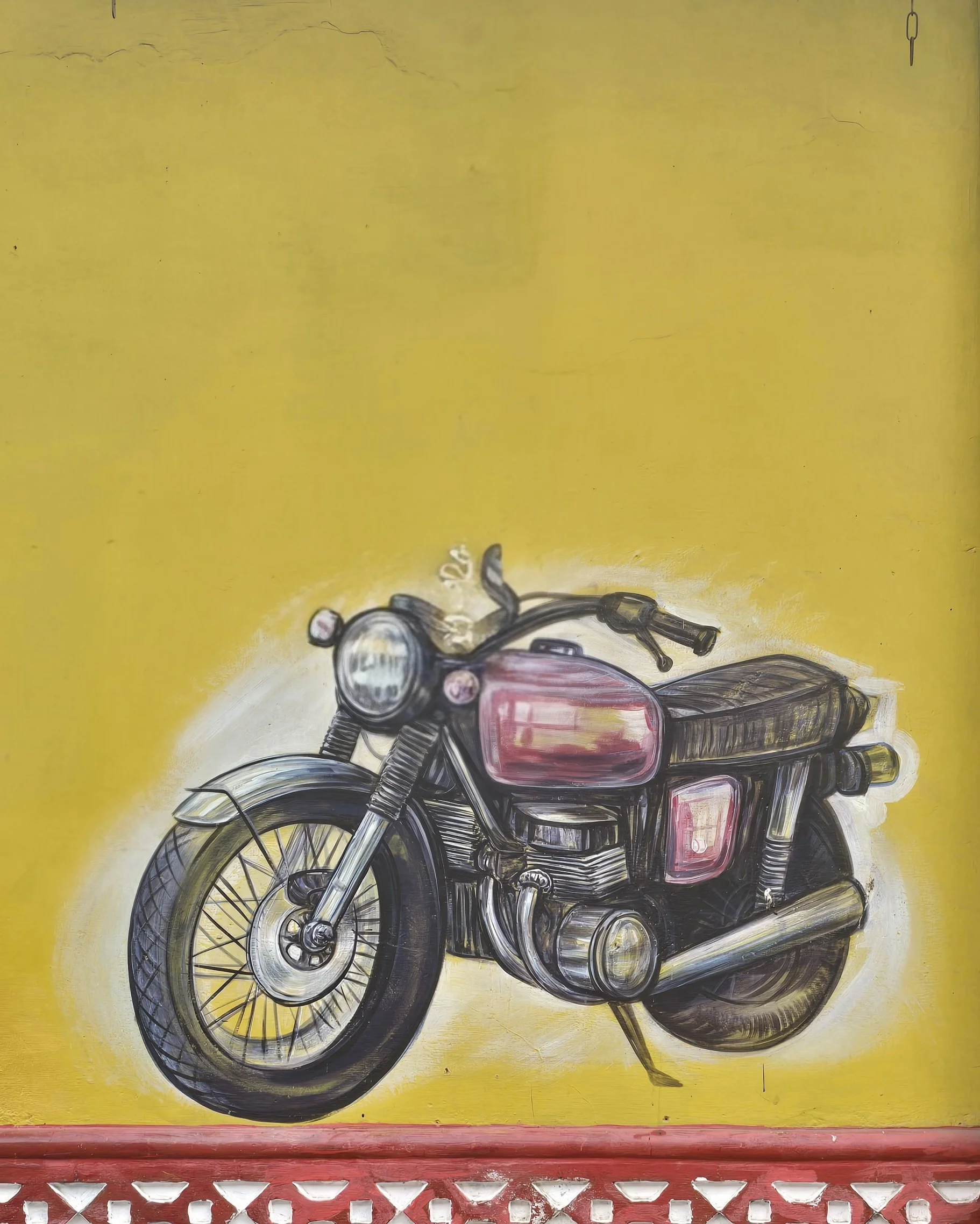
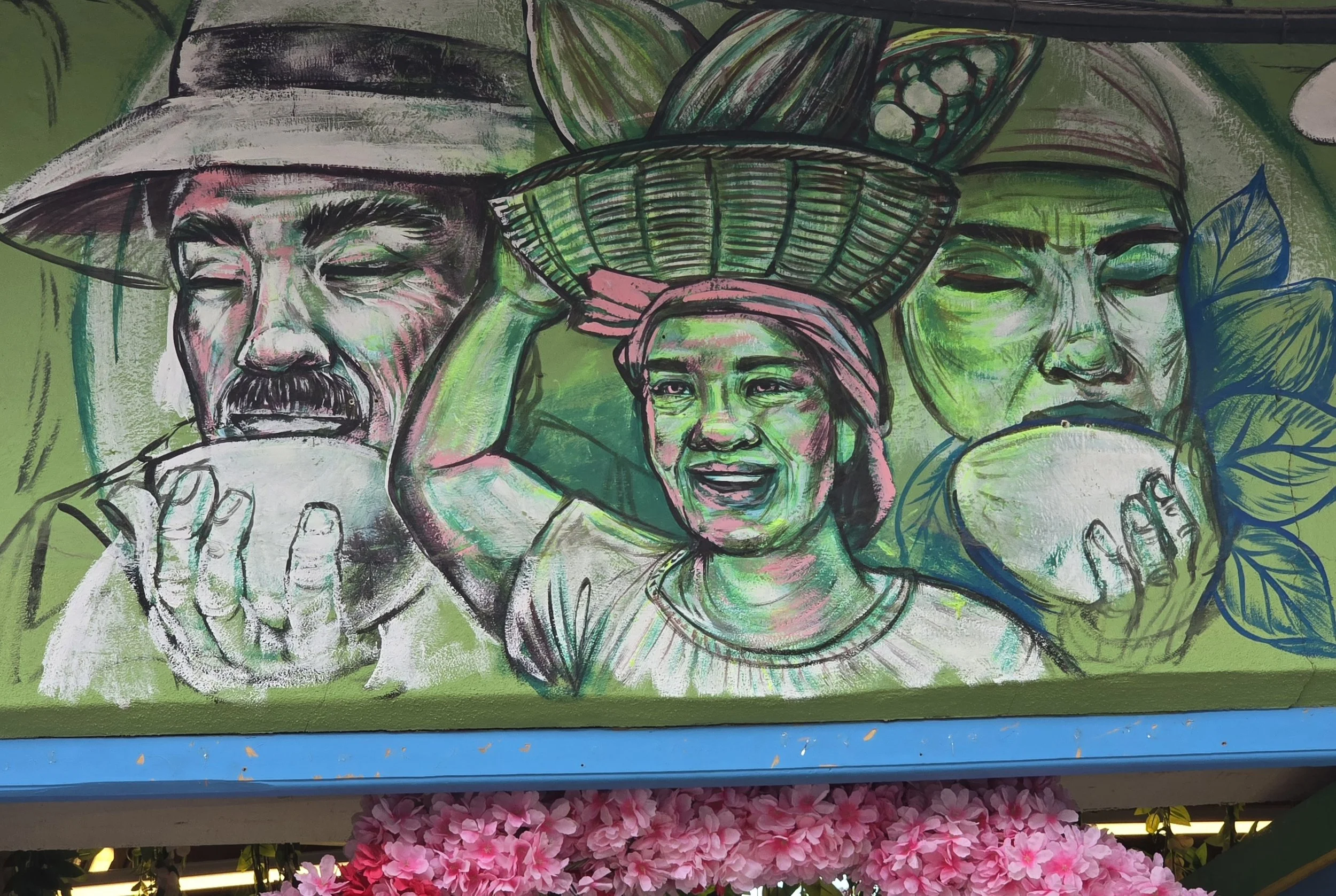
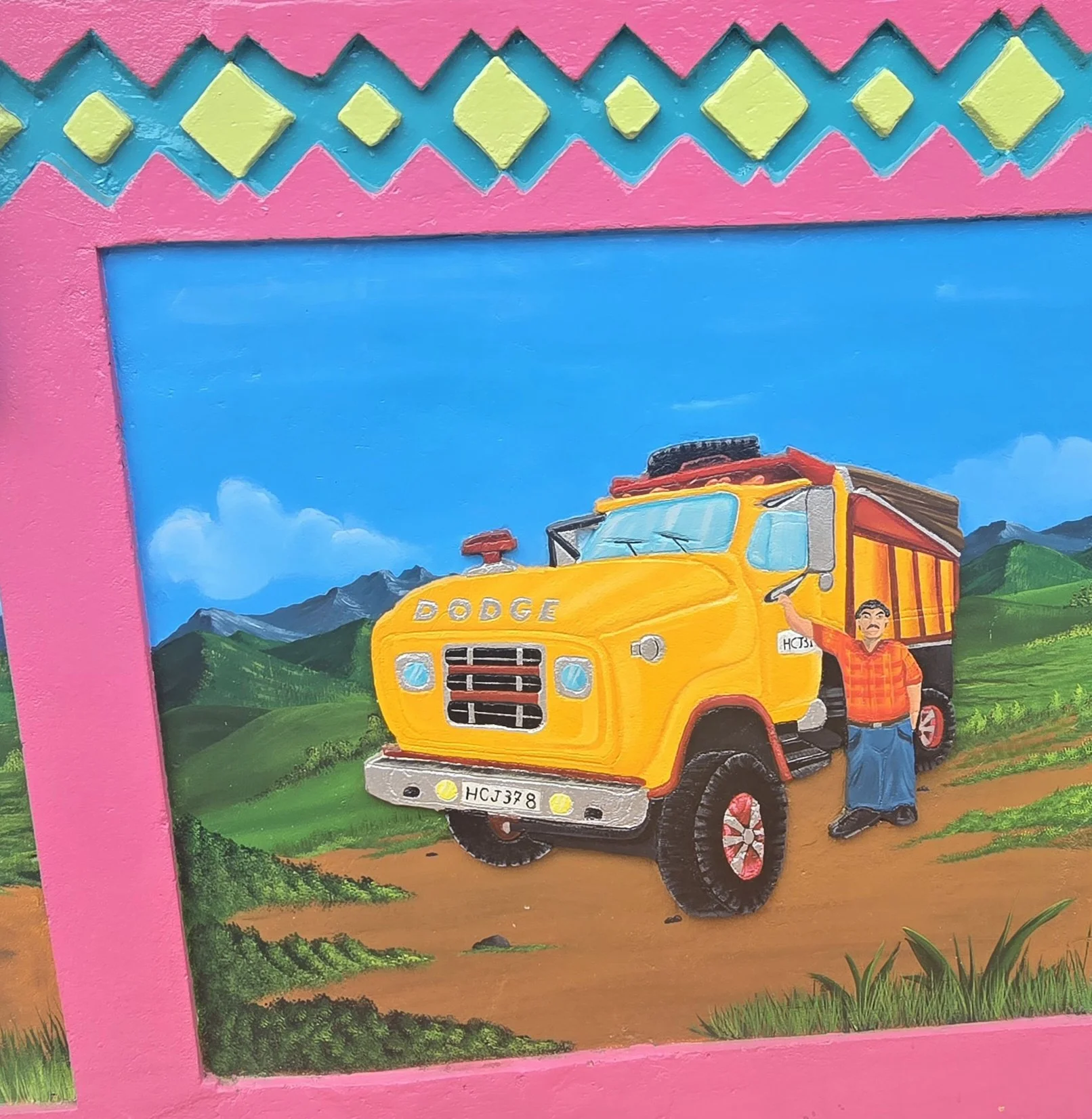
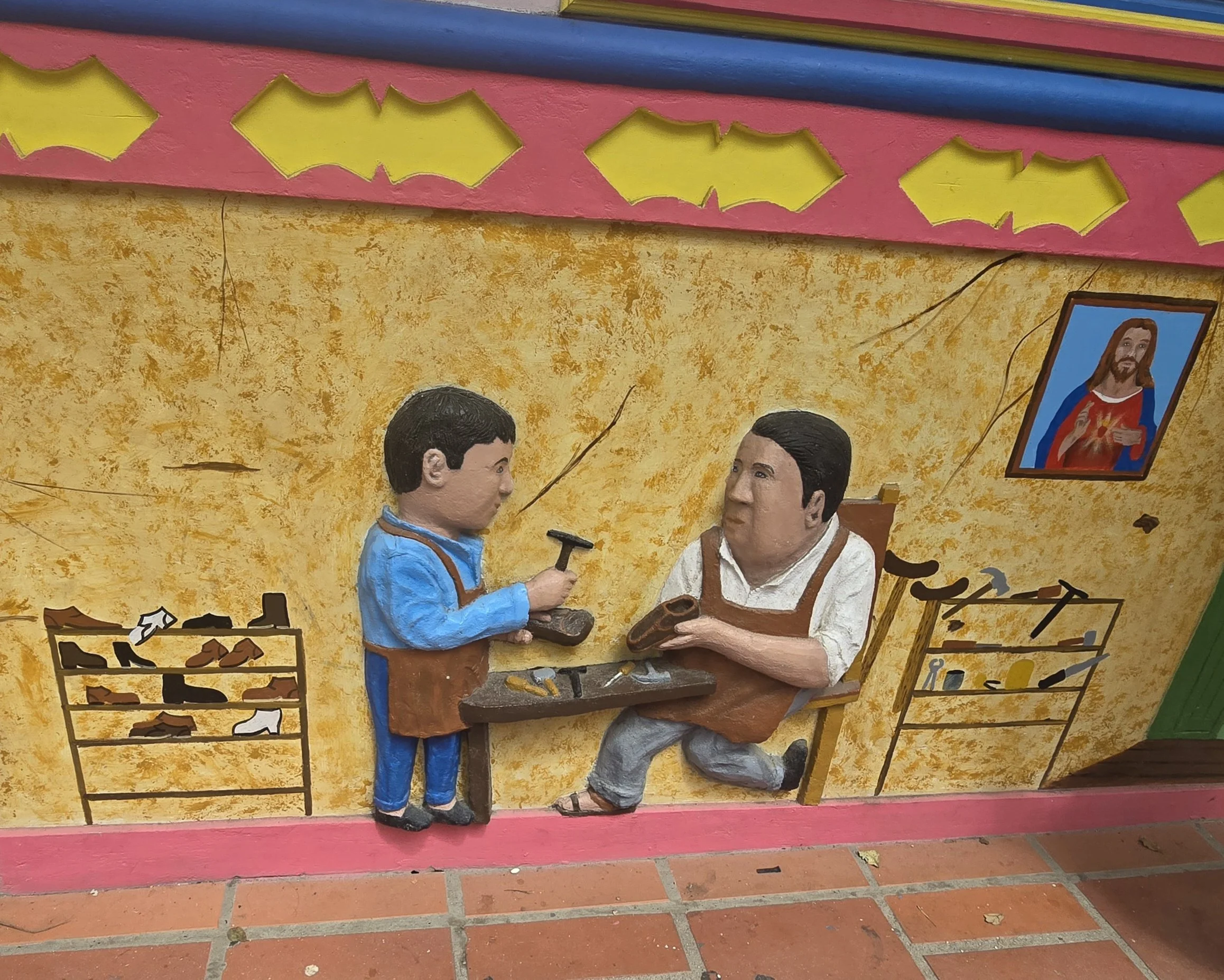
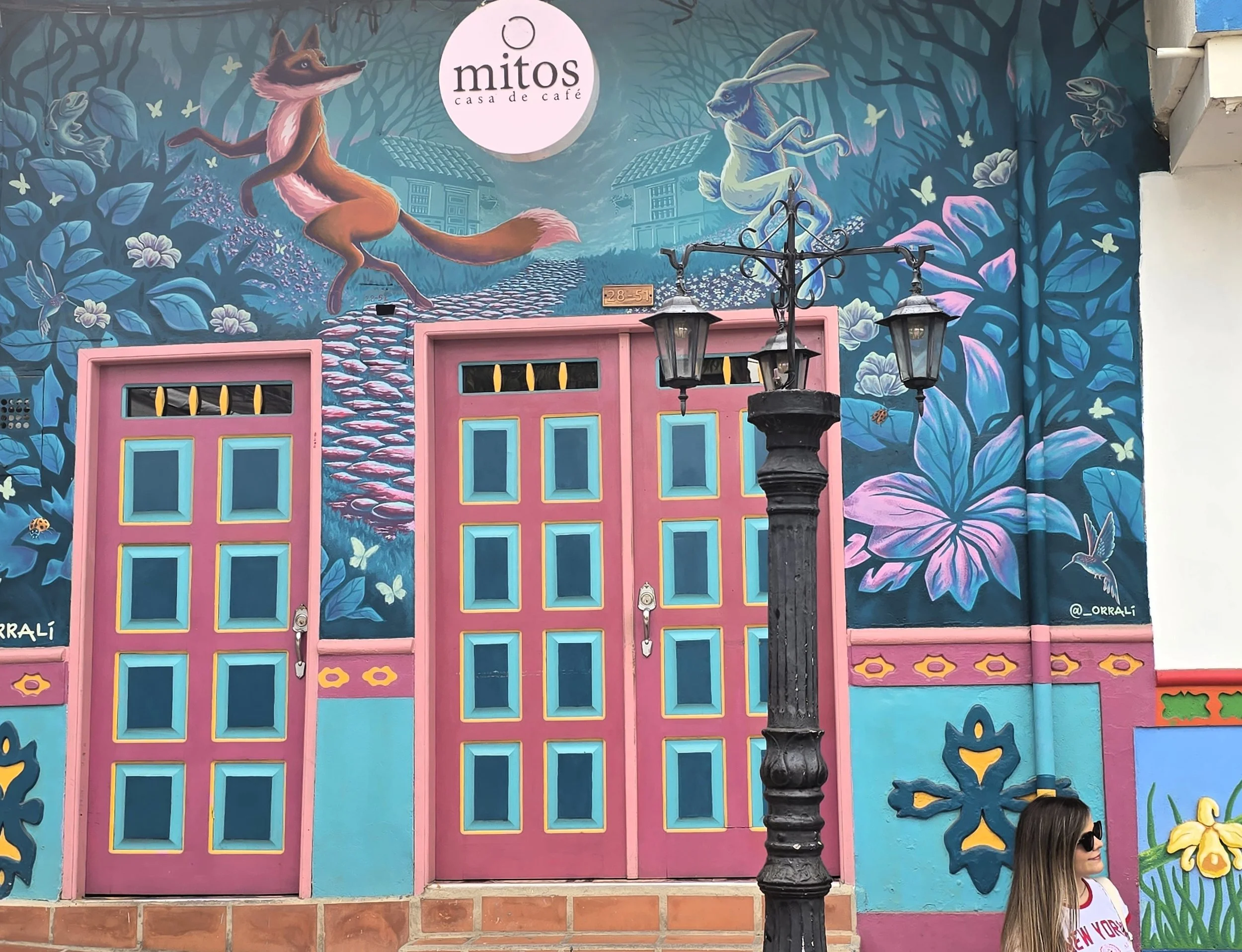
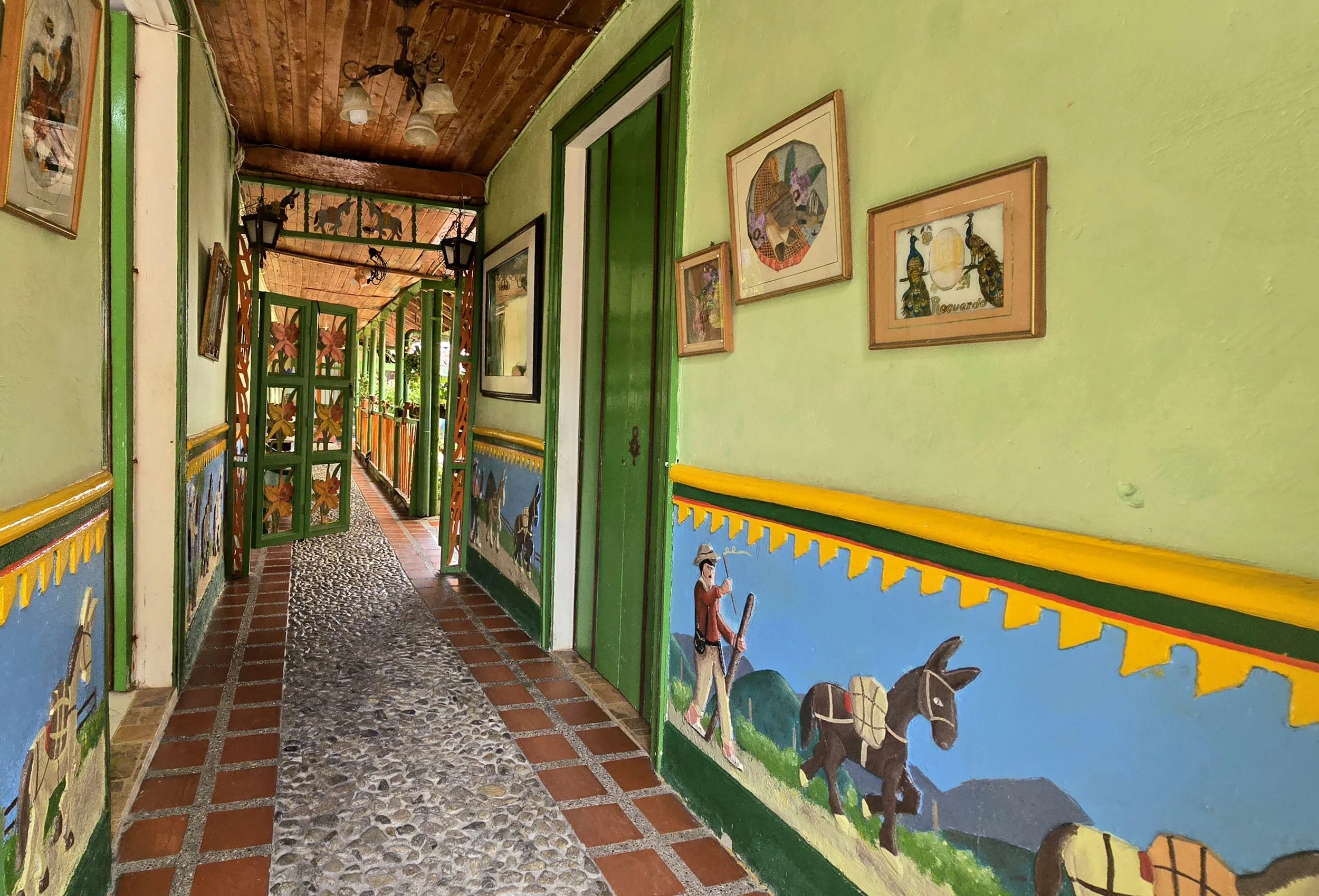
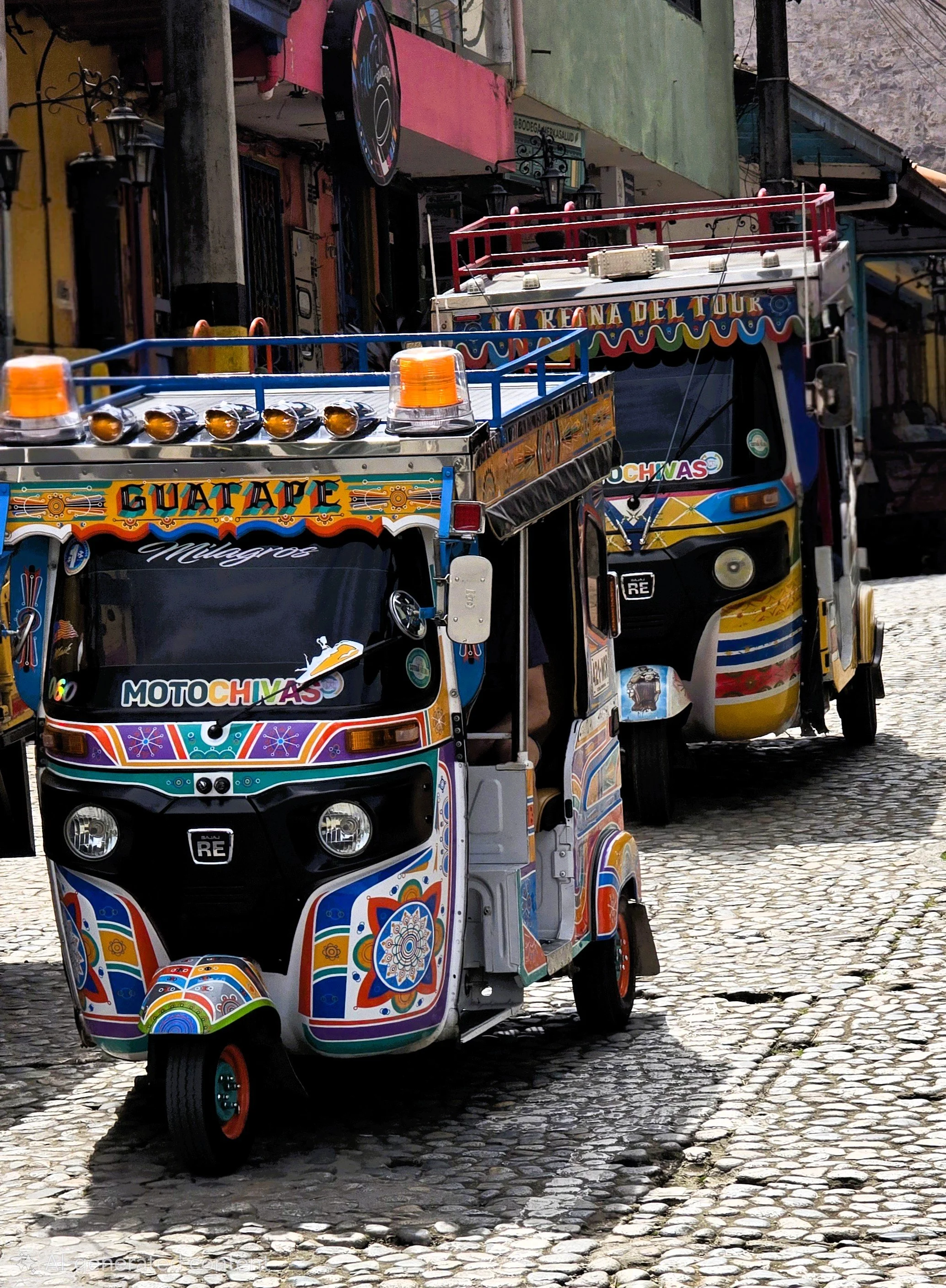
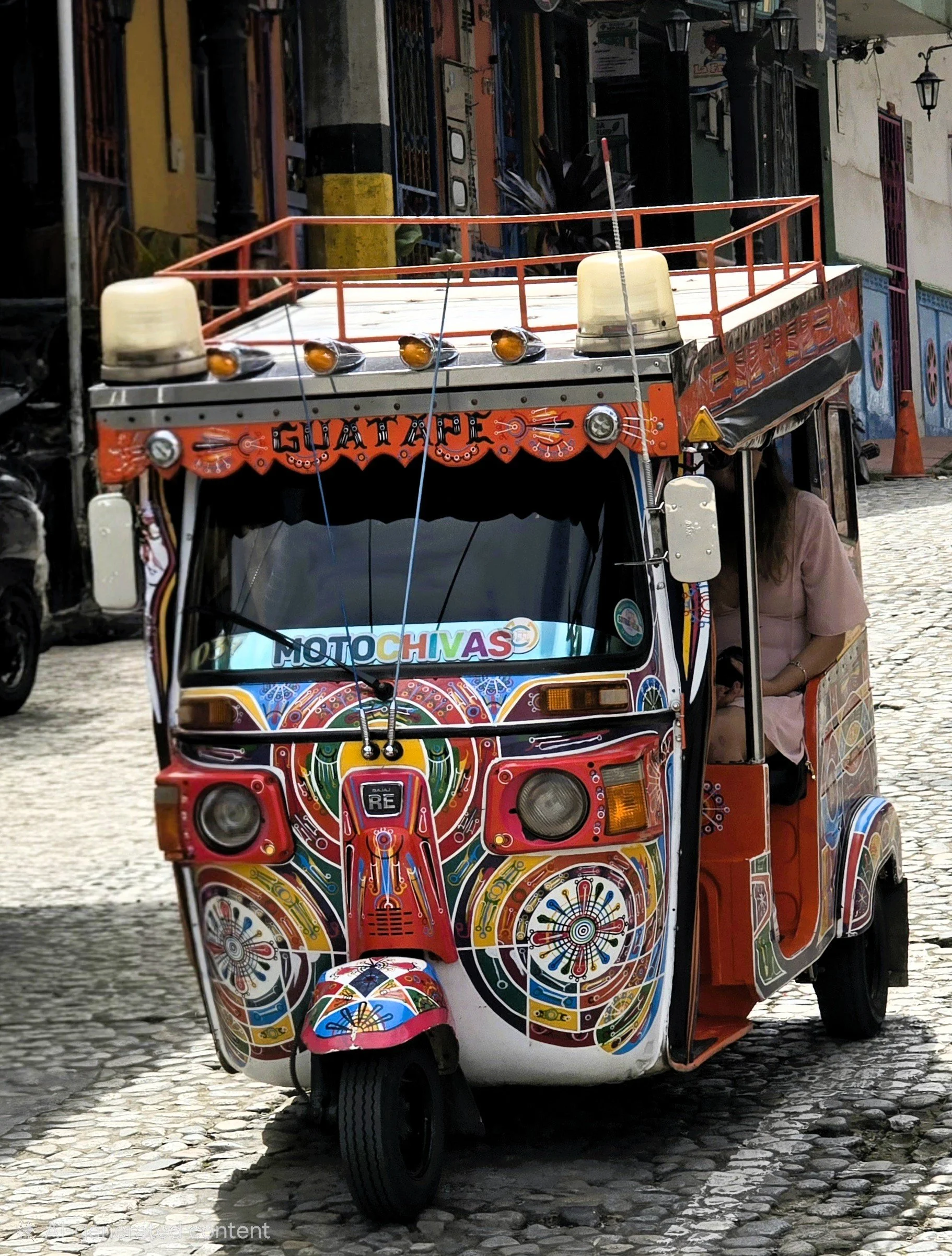
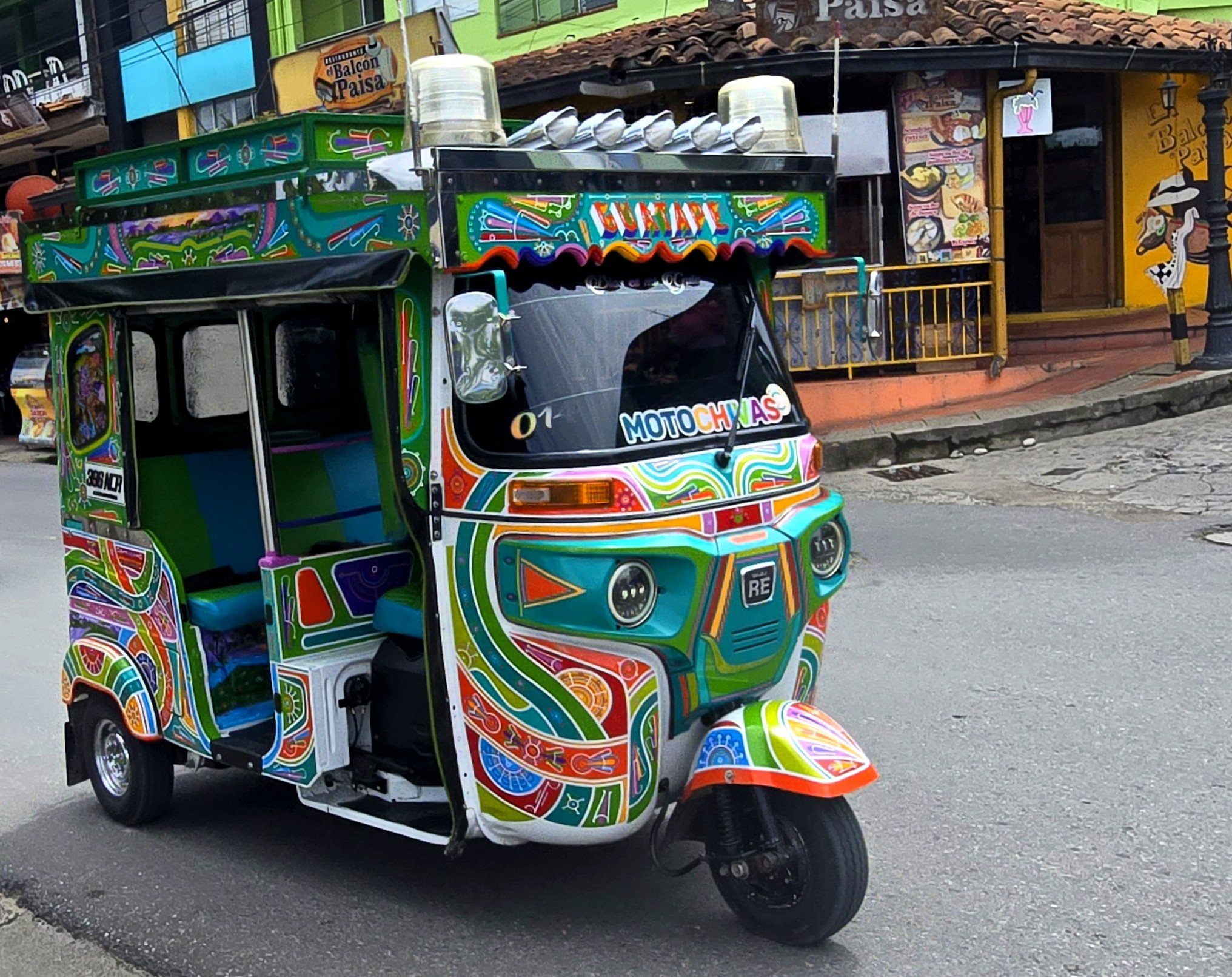
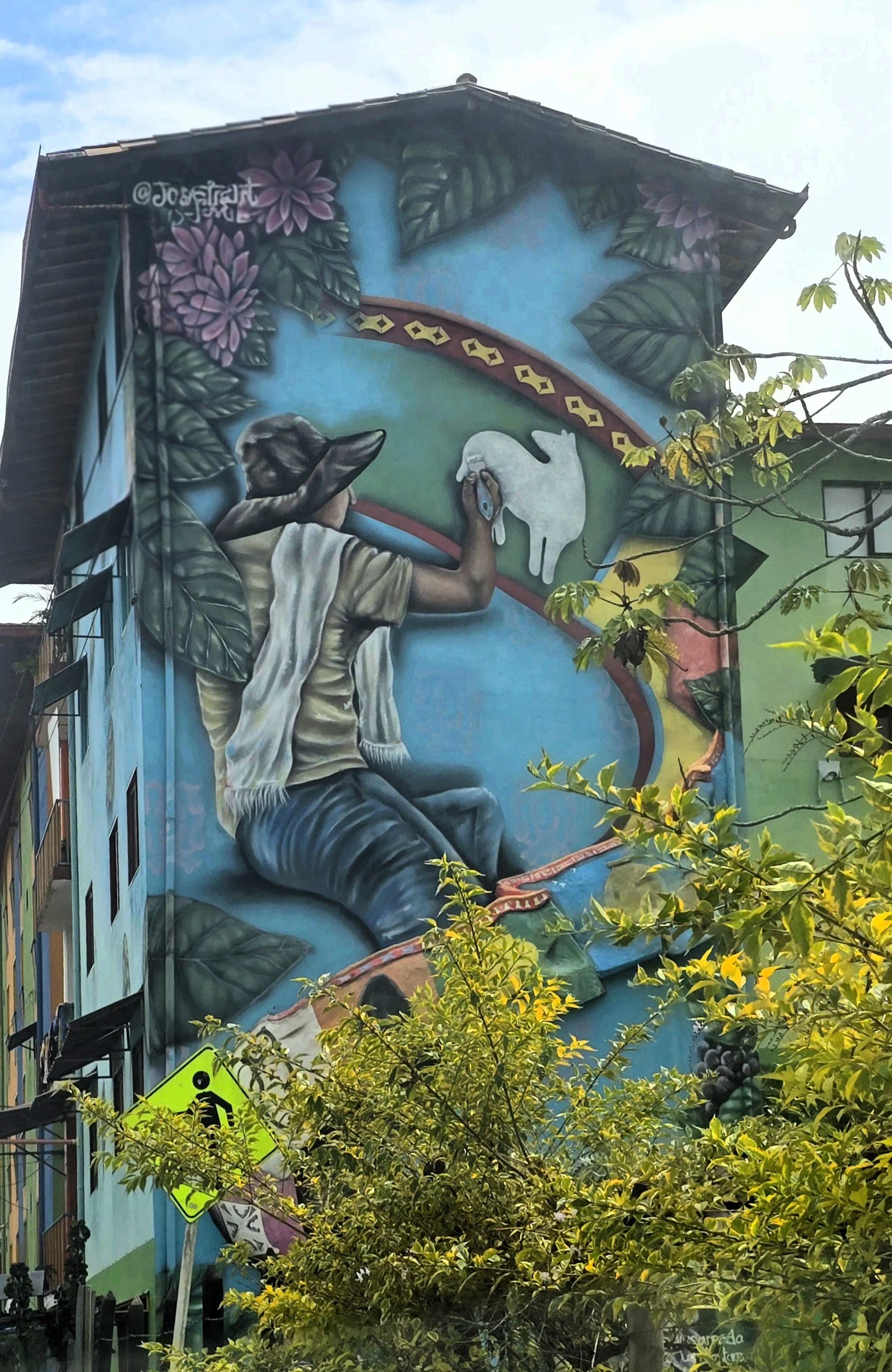
The streets feel cheerful and lived-in. They are clean, orderly, and prosperous without being slick or overly polished. Adding to the charm are the motochivas, the local form of transportation. These little three-wheeled vehicles putt-putt around town like cousins of Asian tuk-tuks, each one decorated more fancifully than the last. They look less like taxis and more like moving art projects. I loved watching them buzz by.
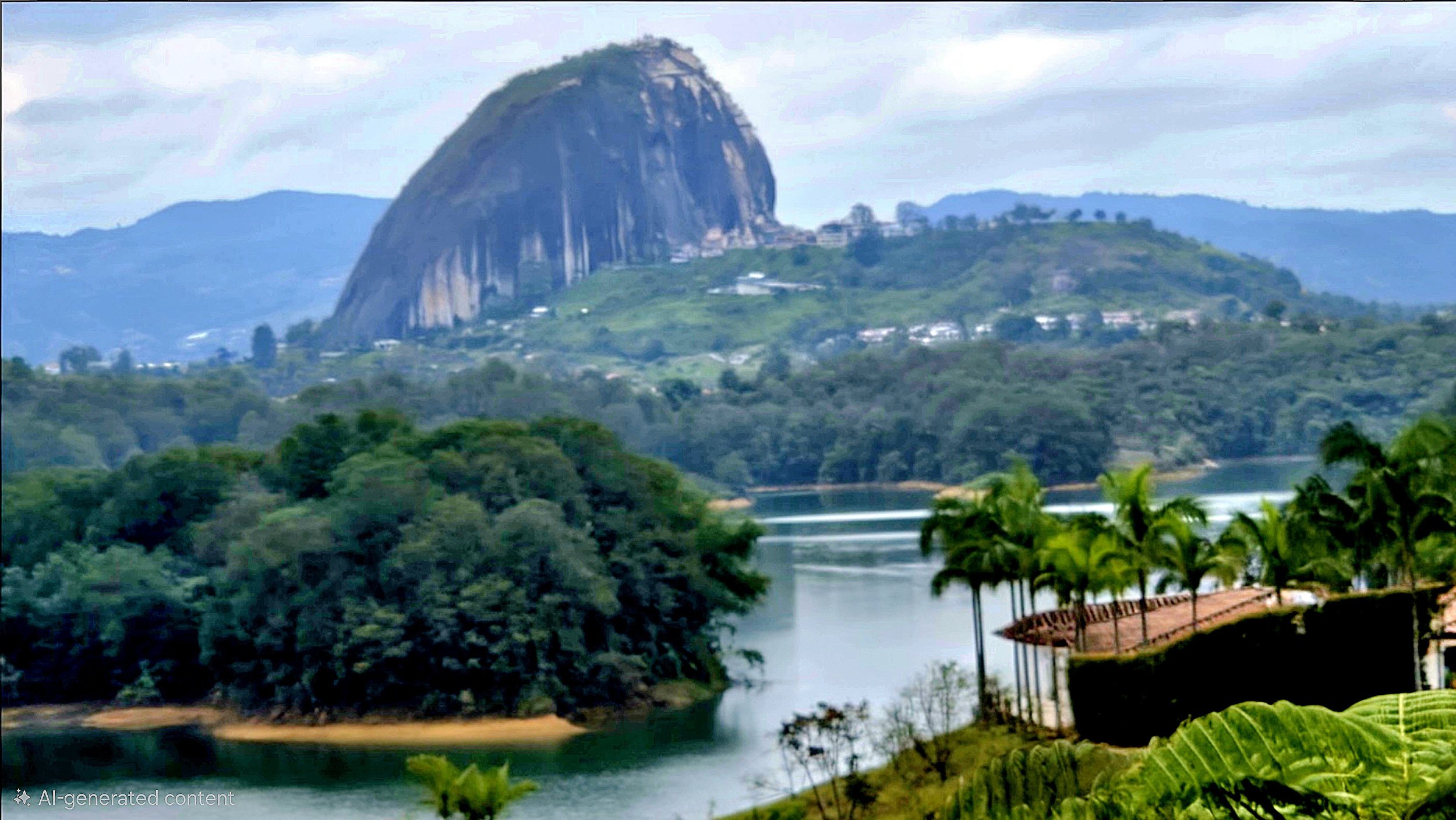
Hovering over it all, quite literally, is the Rock of Guatapé, an enormous, improbable boulder that rises dramatically from the landscape. A staircase with 740 zigzag steps leads to the top, where visitors are rewarded with panoramic views of the lakes and islands created by the damming of the river. I admired it from below. There was no scenario in which I would climb 740 steps. I was content to let others make the pilgrimage while I enjoyed the view from the parking lot.
Guatapé is not just pretty. It’s joyful. It feels like a place where residents decided life should be colorful, artistic, and welcoming, and then fully committed to that decision.
Karen Gershowitz has traveled to over one hundred countries, many of them numerous times. Her first book of travel stories, Travel Mania: Stories of Wanderlust, explores the confluence of travel and life events. Wanderlust: Extraordinary People, Quirky Places, and Curious Cuisine, continued those stories. It won a 2024 IPPY (Independent Publisher Book Awards) Silver Medal for Travel Essay. She is now working on a third travel book.