Searching for the Unfiltered in Cairo
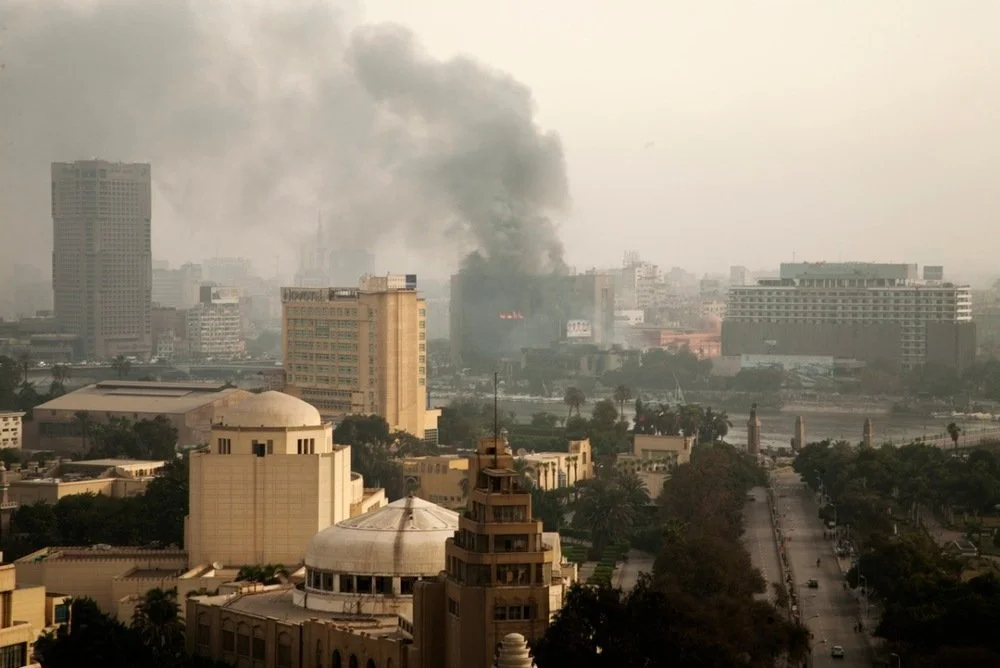
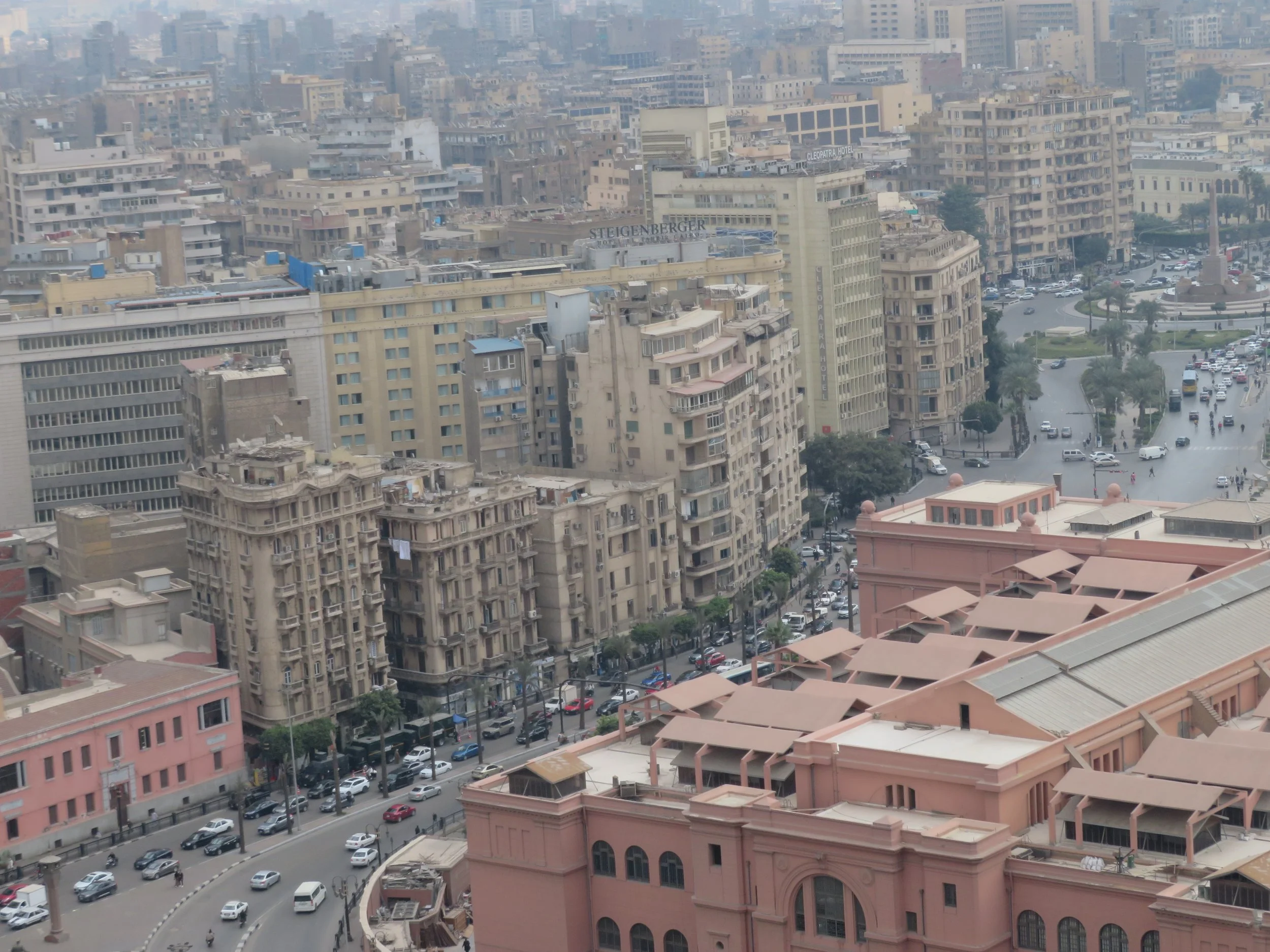
On arriving in Egypt, my husband, Terry, and I stayed in a towering hotel in downtown Cairo. In its comfortable breakfast room on the 30th floor we’d gaze down at the city, with its infinite tangle of high-rises and packed boulevards. We could only imagine what might be hidden from view – perhaps a place that fit between the Pharaohs and the modern motor. Perhaps even a place with no tourists. If such a place existed, I wanted to see it.
Our first few days in Cairo were highly curated and museum-heavy – two days at the dazzling new GEM, the Grand Egyptian Museum, and another day at the somewhat dusty but still worthwhile original Egyptian Museum. The GEM was a knockout, with stunning modern architecture and cases filled with neatly labeled Pharaonic treasures. We felt nicely coddled at the Ramses Hilton, which even boasted a lively rooftop bar that served real cocktails with a background of infectious music. This spot was a relief after our visit to Saudi Arabia, with its austere, ultra sober vibe, a country where alcohol is forbidden.
Yet something in Cairo was missing for me. I’ll call it “reality.” I longed to see something down to earth, unfiltered. Our guidebook mentioned a faded old neighborhood filled with ancient medieval buildings, calling it “Islamic Cairo.” I did a bit of research and learned that the area dated back to the Muslim conquest of Egypt in 641 CE. Generations of working-class families, not necessarily Moslem, still live here as they have always lived, lacking many modern conveniences, like supermarkets, public transportation, and laundromats. Along the streets, artisans produce traditional products in small workshops. I thought a walk around this area would fulfill my desire to visit a “hidden” part of Cairo.
We needed a starting point, and at random picked an old building named Beit al-Razzaz, described in the guidebook as a palace made up of two medieval mansions. Visiting it would place us in the heart of Islamic Cairo.
Our Uber dropped us off in front. But where was the entrance? Terry spotted a promising passageway down some crumbled stairs. I followed him and we soon found ourselves inside a spacious courtyard. As we searched around for a ticket booth, an angry looking workman emerged and began shouting at us. We didn’t need to know Arabic to realize he thought we were trespassing and we had to scram. And fast. OK, that was raw and unfiltered. And disappointing. The guidebook has not mentioned that the palace was undergoing renovations.
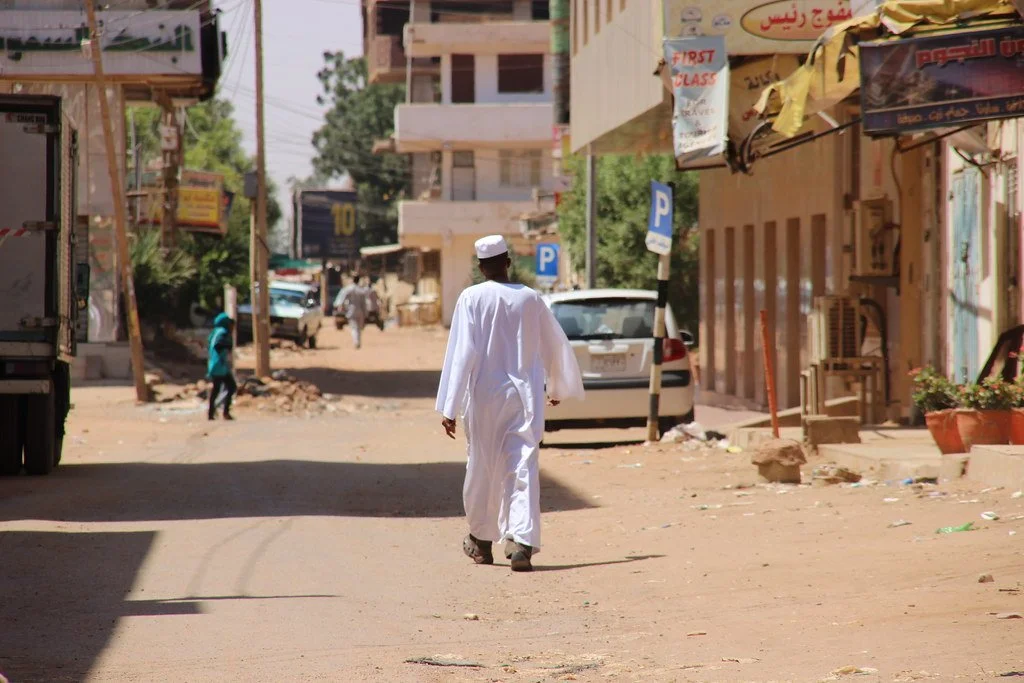
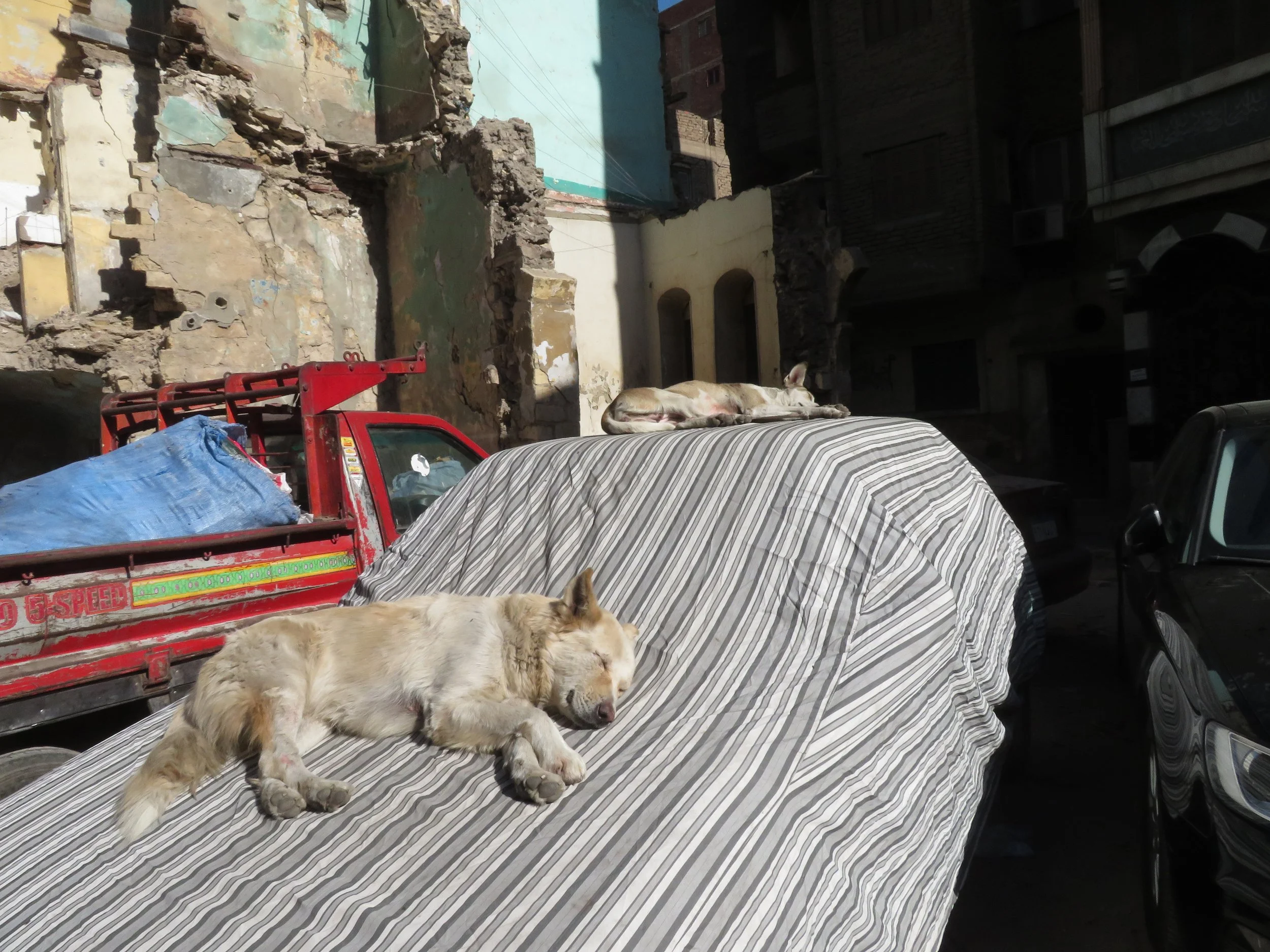
We headed back to the street. Though the buildings in this part of the neighborhood were shabby and the winding streets were littered and full of feral dogs, it was also vibrant with people going about their business: grandmas, little kids, workers, shoppers. A cart pulled by a shaggy horse lumbered by. What we didn’t see: any other Westerners; souvenir shops; restaurants; anything in English. It was definitely unfiltered!
We passed a forge where blacksmiths were hammering on metal and a small bakery churning out pita. Small boys, tossing pita into bags, offered to sell some. Fresh and fragrant though it was, we declined. Our stomachs weren’t large enough to empty one of their big bags.
We also passed a barbershop smaller than my walk-in closet back home. I peered in. It gleamed with polished mirrors and jars of ointments. The barber was busy shaving a customer.
A little further along, we spotted a tiny grocery store, with wooden bins out front full of produce. I was tempted to go inside and see what else it carried and who its customers might be. But after our scolding at the mansion, I suddenly felt shy. To go in seemed uncomfortably awkward and rude to me. Invading lives is OK if you are studying wild animals in Kenya, but it’s not OK to subject fellow humans to that kind of scrutiny. I’m not a social scientist, after all. Much as I hate to admit it, I’m just a tourist.
Wandering down the street again, I saw an opening to a mysterious dark alleyway. Where did it lead? Impossible to know, because it was too dark to see more than a few yards ahead. Intrigued, I started to venture in, but Terry, always wise, pulled me back. Venturing in was probably rash, but I was sorry not to see the interior.
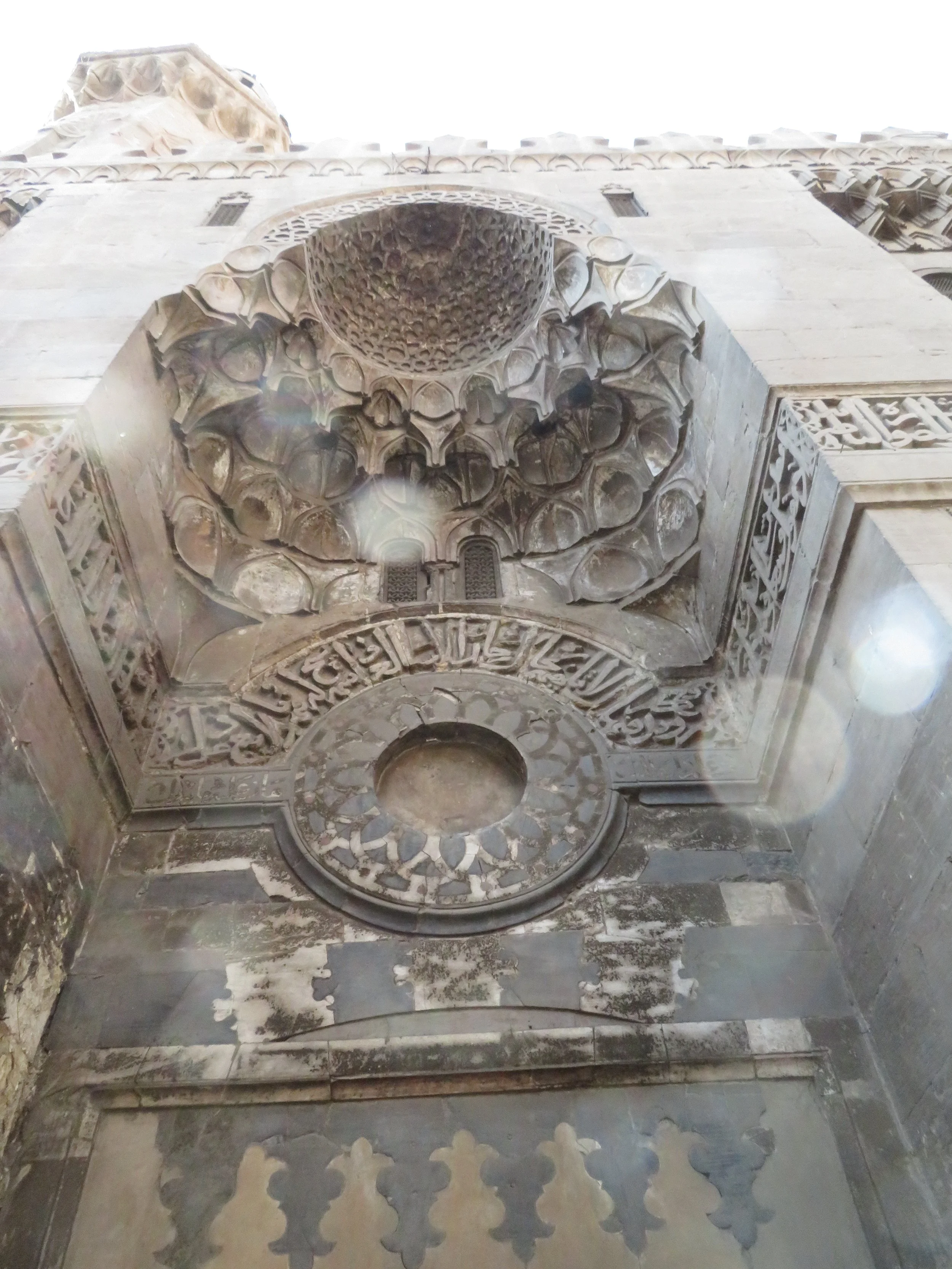
Further down the street, we passed several magnificent mosques and richly adorned buildings, but, since they were not identified in English, we did not know what they were. By this point, I was frustrated at being unable to understand what I was seeing. It was more unfiltered than I had bargained for, and I would have welcomed a guide to show us around.
We were getting tired and I hoped to find a café where we could enjoy some strong Egyptian coffee. But the places we saw with chairs outside gave no indication they even sold coffee. It was time to raise the white surrender flag and head back to the hotel.
But getting into Islamic Cairo was far easier than leaving. Though we saw plenty of motorized tuk-tuks plying the streets, they were not substantial enough to take us back to urban Cairo. And though taxis and Ubers might drop you off here, they were unwilling to do pickups. The streets are too narrow, and the unfamiliar terrain is like Mars to them.
One Uber driver after another declined to fetch us. I started to get a little panicky. Would we have to spend the night here? Where would we sleep? How would we ever get out? Finally, an Uber agreed to pick us up. Hooray!
As I settled into the comfortable back seat, I had a feeling that shamed me: what I really wanted, after this fully unfiltered experience, was a cocktail in the sleek rooftop bar.
Carolyn Handler Miller (www.carolynhandlermiller.com) is a writer who works across a variety of media. Originally beginning her career as a newspaper reporter and magazine journalist, Carolyn's projects span TV shows and specials, feature films, books and new media. She is one of the pioneering writers in the field of interactive narrative, where she has contributed to over 50 projects as a writer, writer-story designer, and consultant. She is the author of “Digital Storytelling: A Creator's Guide to Interactive Entertainment” (Focal Press), now in its fourth edition.